
 Thermax (Chemical Division)
 Tata Steel
 JSW Steel
 ITC (Agri Business Division)
 Godrej & Boyce
 Aditya Birla Management Corporation
 Grasim Industries (Century Rayon)
Rapid e-rickshaw adoption has created steady demand for bias tyres and tubes, both from vehicle OEMs and from the replacement market. An e-rickshaw tyre manufacturing plant consultant helps you decide capacity, technology and approvals before you commit capital. Entrepreneurs and industrial groups choose this project because the product is repeat-purchase and tied to a growing vehicle segment. NPCS supports you with project reports, machinery selection and approval planning, so your plant is sized and costed for your own location.
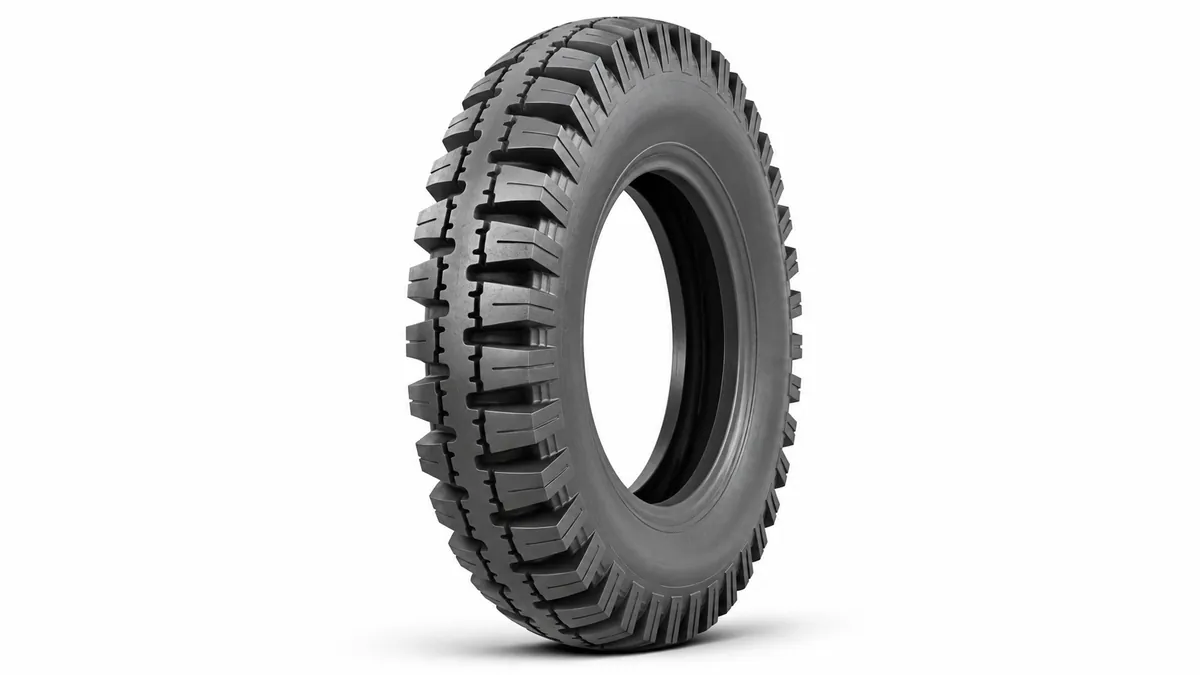
E-Rickshaw Tyre Manufacturing Plant at a Glance
| Typical capacity | ~3,000–30,000 tyres per day |
|---|---|
| Land | ~5–20 acres |
| Power load | ~2–8 MW |
| Water | Moderate |
| Manpower | ~150–600 |
| Indicative investment | ~₹40–300 crore |
Investment basis: excludes land.
Figures are indicative ranges. Your project report works them out for your capacity and location.
Market Demand for E-Rickshaw Tyres in India
Demand comes from two channels: e-rickshaw and three-wheeler OEMs, and tyre dealers who serve the replacement market. As electric three-wheeler numbers grow, both channels need more tyres and tubes. Production clusters are concentrated in Uttar Pradesh, Punjab, Haryana, West Bengal and Gujarat. Export potential is medium, and seasonality is low, so output can run steadily through the year.
- E-rickshaw and three-wheeler OEMs buying for new vehicles
- Tyre dealers supplying the replacement market
- Buyers in the northern and eastern clusters
- Medium export potential for established units
E-Rickshaw Tyre Products You Can Make
Most new units start with e-rickshaw tyres in sizes such as 3.75-12 and 3.00-8, since these serve OEMs directly. Three-wheeler and scooter tyres, butyl tubes and flaps can follow. Tubes suit dealers who prefer to buy a matched tyre and tube set from one supplier.
- E-rickshaw tyres (3.75-12, 3.00-8 and other sizes), three-wheeler and scooter tyres, butyl tubes, flaps
E-Rickshaw Tyre Manufacturing Process
The e-rickshaw tyre manufacturing process begins with compounding rubber in a Banbury mixer and ends with inspection of cured tyres. Between these stages, nylon cord fabric is calendered, beads are made and the tyre is built and cured in presses. Tubes follow a separate route of extrusion, splicing and curing.
Quality control matters at every stage, but final testing decides saleability. Endurance, strength and bead unseating tests are standard. Most plants choose a bias line because its capex is lower, while radial lines need much higher investment.
- Rubber compounding (Banbury)
- Calendering of cord
- Bead making
- Tyre building
- Curing in presses
- Trimming
- Inspection; tubes: extrusion, splicing, curing
Raw Materials and Machinery for a Tyre Plant
Natural and synthetic rubber, carbon black, nylon tyre cord fabric, bead wire and chemicals make up the main inputs, with butyl rubber for tubes. Natural rubber comes largely from Kerala, while cord and carbon black are sourced domestically. The Banbury mixer, calender and curing presses carry most of the capital cost and decide output quality.
- Banbury mixer
- Two-roll mills
- Calender
- Bead winding
- Tyre building machines
- Curing presses
- Tube extruder
Licences and Approvals for an E-Rickshaw Tyre Plant
Approvals should follow a fixed order: business registration, State Pollution Control Board consent before construction, then product certification. Tyre manufacturing is generally Red or Orange depending on capacity, and the State PCB fixes the category. BIS certification under the pneumatic tyre QCO is mandatory before you sell.
- BIS certification for tyres and tubes
- EPR registration for waste tyres
- Boiler approval under IBR
| Pollution category | Tyre manufacturing is generally Red or Orange depending on capacity; the State PCB fixes the category |
|---|---|
| HSN code | 4011 (new pneumatic tyres), 4013 (tubes) |
| GST | Tyres: 18% under GST 2.0 |
| BIS / quality control order | BIS certification mandatory for pneumatic tyres and tubes (QCO) |
| Other licences | EPR registration for waste tyres; boiler (IBR) |
Choosing the Right E-Rickshaw Tyre Plant Size
Capacity decides almost everything in this project. Plants typically range from about 3,000 to 30,000 tyres per day, with investment of roughly ₹40–300 crore excluding land. Smaller units need less land and power but depend heavily on a few OEM customers. Larger units spread fixed costs better, yet need about 5–20 acres and 2–8 MW of power. Your project report compares these options for your market.
Securing Rubber and Cord Supply
Rubber is the largest cost and the most volatile one. Natural rubber from Kerala is far from northern clusters, so freight and stock planning matter. Carbon black and cord are available domestically, which reduces import risk. Agree supply terms early and plan stock levels so that a price swing doesn't erode your margin on OEM contracts.
Government Schemes and Project Finance
Support for this project comes mainly through State incentives, and the rising demand from electric three-wheeler growth helps a lender's view of the market. A bankable project report is the base document for any loan or subsidy application. NPCS reports are used for bank loans and programmes such as PMEGP, MSME schemes, Mudra and NABARD-linked projects, subject to each lender's requirements.
What Decides Success in an E-Rickshaw Tyre Plant
Good operators secure their BIS licence early, win OEM approvals and build a dealer network. The main risks are rubber price swings and competition from big brands. Rubber scrap can be reclaimed, which recovers some value.
- Obtain the BIS licence before launch
- Win OEM approvals for steady volumes
- Build a replacement dealer network
- Plan for rubber price swings
How NPCS Helps You Set Up an E-Rickshaw Tyre Plant
NPCS ties its services to the decisions you face: capacity, bias versus radial technology, machinery and vendor selection, plant layout and approvals. Our team prepares a detailed or bankable project report and supports installation and commissioning. Reports are tailored to your budget, raw material availability and market area.
NPCS's published client list records 22 assignments across plastics, polymers and rubber projects between 2011 and 2026, for clients in 13 states and 4 countries.
What Your E-Rickshaw Tyre Manufacturing Plant Project Report Covers
- Project introduction and BIS specifications
- Manufacturing process with flow sheet
- Market survey (demand, imports/exports, existing units)
- Personnel
- Plant and machinery with suppliers
- Land and building with layout
- Raw materials with sources and rates
- Financials (project cost, working capital, cost of production, profitability, break-even, 5–10 year cash flow, projected balance sheet, IRR/NPV/payback)
E-Rickshaw Tyre Manufacturing Plant: Frequently Asked Questions
How much investment is needed to start an e-rickshaw tyre manufacturing plant?
An indicative range is ₹40–300 crore, depending on capacity, and it excludes land. Bias tyre lines cost less than radial lines. Your project report works out the figure for your planned output and location.
Which licences are needed for an e-rickshaw tyre plant?
BIS certification under the pneumatic tyre QCO is mandatory. You also need State Pollution Control Board consent, EPR registration for waste tyres and boiler approval under IBR. The tyre category is generally Red or Orange, fixed by the State PCB.
How much land and power does a tyre plant need?
Plants typically need about 5–20 acres of land and a power load of roughly 2–8 MW, depending on capacity. Water requirement is moderate. Confirm the exact figures against your chosen output before buying land.
How do I start an e-rickshaw tyre manufacturing business?
Begin with a project report to fix capacity, technology and cost. Then secure land, State PCB consent, finance and BIS certification. Approach OEMs early for approvals, since these drive volumes.
How does NPCS help with an e-rickshaw tyre plant?
NPCS prepares project reports, guides machinery and vendor selection, and supports plant layout, approvals planning and commissioning. Share your capacity and location, and our team will outline the project cost and approvals.