
 Sarda Metals & Alloys
 Tata Steel
 JSW Steel
 ITC (Agri Business Division)
 Godrej & Boyce
 Aditya Birla Management Corporation
 Grasim Industries (Century Rayon)
 Thermax (Chemical Division)
Glass makers, ceramic units, fertiliser firms and feed companies all buy dolomite powder, and that steady demand is why entrepreneurs set up grinding plants close to mines. A dolomite powder plant consultant helps you choose grades, size the plant and line up approvals before you commit capital. NPCS has worked with entrepreneurs since 1994, and our team prepares project reports that cover technology, machinery, costs and compliance for your capacity and location.
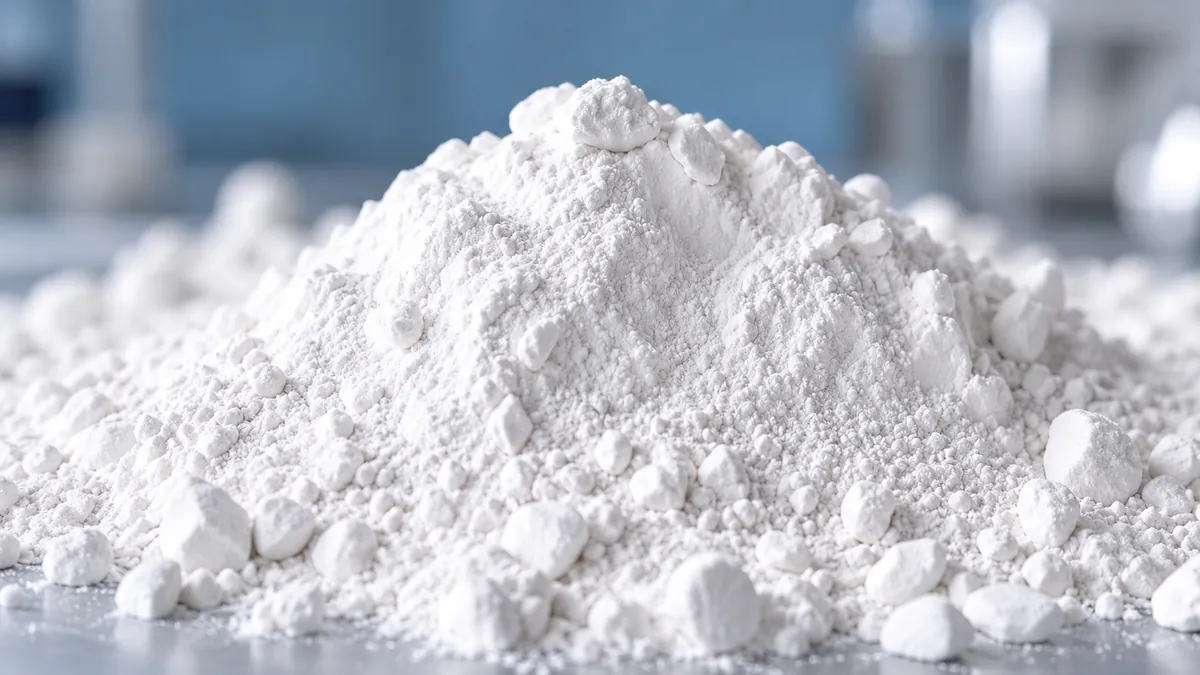
Dolomite Powder Plant at a Glance
| Typical capacity | ~20–300 TPD |
|---|---|
| Land | ~1–4 acres |
| Power load | ~200 kW–1.5 MW |
| Water | Low |
| Manpower | ~15–60 |
| Indicative investment | ~₹1–15 crore |
Investment basis: excludes land.
Figures are indicative ranges. Your project report works them out for your capacity and location.
Market Demand for Dolomite Powder in India
Dolomite powder finds buyers wherever industry needs a reliable source of magnesium and calcium. Growth in glass and ceramics, along with rising soil-conditioning demand, keeps orders coming. Production is concentrated in Rajasthan, Andhra Pradesh, Gujarat and Odisha, where mines sit close to processors. Export potential is medium, so most units start with domestic buyers.
- Glass and ceramic makers needing consistent chemistry
- Fertiliser and feed companies buying agricultural and feed grades
- Paint and plastics users of filler grades
- Steel plants using dolomite as flux
Dolomite Powder Grades You Can Make
Your grade choice decides the machinery and the buyer. Glass and ceramic grades need tight chemistry and whiteness, while agricultural grade is more forgiving on fineness. Many new units begin with one or two grades, then add filler or calcined dolomite once the market is proven.
- Glass grade, ceramic grade, agricultural (soil conditioner) grade, feed grade, filler grade, calcined dolomite
Dolomite Powder Plant Process
The dolomite powder plant process moves from lump ore to graded bags through crushing, drying, grinding and classification. Washing is optional and depends on how much clay or dirt the ore carries. For coarse grades a pulveriser is usually enough, while fine fillers call for a ball mill with an air classifier. Calcination is added only if you plan to sell burnt dolomite.
Quality is controlled at the grinding and classifying stage. Buyers typically test MgO and CaO content, iron, whiteness and particle size, so regular sampling matters from the first batch.
- Crushing
- Washing (optional)
- Drying
- Grinding (ball mill or pulveriser)
- Air classification
- Bagging
Raw Materials and Machinery for Dolomite Grinding
Your only major input is dolomite lumps from mines, sourced mainly from Rajasthan, Gujarat, Andhra Pradesh, Madhya Pradesh, Odisha and Chhattisgarh. Ore chemistry varies by mine, so test before you sign supply terms. Among the machines, the grinding unit and air classifier set your product quality, and dust collectors keep the plant compliant.
- Jaw crusher
- Dryer
- Pulveriser or ball mill
- Air classifier
- Dust collectors
- Bagging
Licences and Approvals for a Dolomite Powder Plant
Dolomite powder plant licence and approvals follow a clear order. Register the unit first, then obtain consent to establish from the State Pollution Control Board before construction. Grinding and screening of minerals falls in the Orange category, so consent to operate follows once the plant is built. No QCO applies to this product.
- Mineral dealer licence and transit passes under state minor-mineral rules
- Silica-dust controls at crushing and grinding points
- Factory licence
| Pollution category | Grinding and screening of minerals: Orange (CPCB S.No. 88.5/90) |
|---|---|
| HSN code | 2518 (dolomite) |
| GST | 5% on dolomite (Chapter 25 minerals); processed grades are applied product-wise in the project financials |
| BIS / quality control order | No QCO |
| Other licences | Mineral dealer licence and transit passes under state minor-mineral rules; silica-dust controls; factory licence |
Choosing the Right Dolomite Plant Size
Plant size drives almost every other number. Capacity typically runs from about 20 to 300 TPD, with investment of about ₹1–15 crore, excluding land. A smaller unit suits one or two local buyers and a single grade. A larger plant needs more land, power and manpower, and it makes sense only when offtake from glass, ceramic or fertiliser buyers is already identified. Your project report works out the right scale for your budget and market.
Securing Dolomite Lumps for Your Plant
Reliable ore supply decides whether your plant runs steadily. Monsoon affects mining, so mines may supply less in those months. Build a stock of lumps before the rains, and keep more than one mine in mind. Check each source for MgO and CaO content and iron, since glass and ceramic buyers will reject inconsistent chemistry. Locating near the clusters in Rajasthan, Gujarat, Andhra Pradesh or Odisha also keeps transport costs down.
Government Schemes and Project Finance
State incentives are the main support listed for a dolomite powder plant, and their terms differ from state to state. NPCS reports are used for bank loans and government programmes such as PMEGP, MSME schemes, Mudra and NABARD-linked projects, subject to each lender's requirements. A well-built project report gives the lender clear costs, working capital and repayment figures.
What Decides Success in a Dolomite Powder Plant
Good operators get three things right: ore quality, grinding efficiency and dust control. They also sell fines as agricultural grade instead of wasting them. The risks are mining disruptions and dust compliance, so plan for both early.
- Test ore chemistry before buying in bulk
- Keep spare stock for monsoon months
- Budget properly for dust collectors
How NPCS Helps You Set Up a Dolomite Powder Plant
Our team supports the decisions that shape your plant. We help you select capacity and technology, such as pulveriser or ball mill with air classifier, and we guide machinery selection and vendor selection. We also support plant layout, production process guidance, and installation and commissioning assistance, then prepare the project report your bank will read.
NPCS's published client list records 4 assignments across mining and minerals projects between 2019 and 2022, for clients in 3 states.
What Your Dolomite Powder Plant Project Report Covers
- Project introduction and BIS specifications
- Manufacturing process with flow sheet
- Market survey (demand, imports/exports, existing units)
- Personnel
- Plant and machinery with suppliers
- Land and building with layout
- Raw materials with sources and rates
- Financials (project cost, working capital, cost of production, profitability, break-even, 5–10 year cash flow, projected balance sheet, IRR/NPV/payback)
Dolomite Powder Plant: Frequently Asked Questions
How much does dolomite powder plant setup cost in India?
Investment typically ranges from about ₹1–15 crore, depending on capacity and technology. This is indicative and excludes land. Your project report works out the exact cost for your chosen grades, capacity and location.
Which licences and pollution category apply to a dolomite powder plant?
Grinding and screening of minerals falls under the Orange category. You need consent from the State Pollution Control Board, a mineral dealer licence with transit passes, a factory licence and silica-dust controls. No QCO applies.
How much land and power does a dolomite powder plant need?
A plant typically needs about 1–4 acres and a power load of about 200 kW–1.5 MW, depending on capacity. Water requirement is low. Your final figures depend on grades, machinery and the scale you choose.
How to start a dolomite powder plant business?
Start by choosing your grades and target buyers, then fix capacity and secure ore supply. Next, register the unit, obtain consent to establish, order machinery and prepare finance. A detailed project report ties these steps together.
How can NPCS help with a dolomite powder plant project report?
NPCS prepares a dolomite powder plant project report covering process, machinery, raw materials, approvals and financials. Our team also advises on technology, vendors and layout, and tailors the report to your capacity, budget and location.