
 Godrej & Boyce
 Bajaj Steel Industries
 Shyam Steel Industries
 Tata Steel
 JSW Steel
 ITC (Agri Business Division)
 Aditya Birla Management Corporation
 Grasim Industries (Century Rayon)
A container leasing business buys shipping and storage containers and rents them to shipping lines, freight forwarders, exporters and site users. A container leasing business consultant helps you decide the fleet mix, lease structure and depot locations before capital is committed. Investors choose this model because the asset is movable and income comes from lease rentals. NPCS supports you with market research, project reports and planning, so your fleet matches real demand.
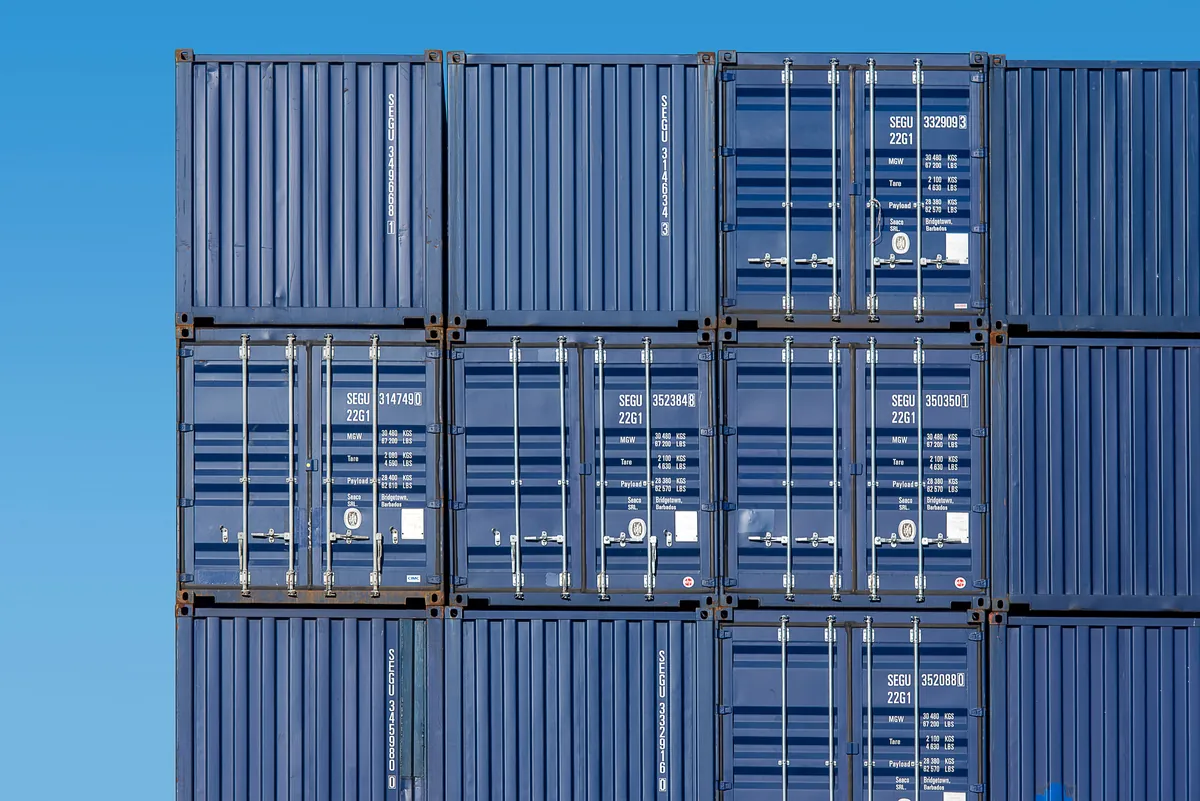
Container Leasing Business at a Glance
| Typical capacity | ~500–10,000 TEU fleet |
|---|---|
| Land | Depot space (owned or leased) |
| Power load | Minimal |
| Water | Minimal |
| Manpower | ~10–60 |
| Indicative investment | ~₹15–30 lakh per new 40 ft container (indicative); fleet scale decides total |
Investment basis: asset prices move with freight markets.
Figures are indicative ranges. Your project report works them out for your capacity and location.
Market Demand for Container Leasing in India
Demand for leased containers follows trade volumes, and it rises sharply when containers run short in peak cycles. Activity is concentrated around port clusters, so depots and lessees sit close together. In practice, your first contracts will come from a few well-chosen ports.
Typical lessees include the following:
- Shipping lines and NVOCCs needing long-term or one-way boxes
- Exporters who need containers for specific consignments
- Construction firms using storage containers and site offices
- Event organisers needing temporary space at sites
Container Types You Can Lease
Dry containers in 20 ft and 40 ft sizes are the usual starting point, because shipping lines lease them most often. Reefers and ISO tank containers suit specialised cargo. Site offices and storage containers serve domestic users such as construction sites, and they need less dependence on shipping cycles.
- Dry containers (20 ft, 40 ft), reefers, ISO tank containers, site offices and storage containers
Container Leasing Business Process
The container leasing business process runs from buying the fleet to reselling boxes at the end of their life. After purchase, each container is registered and given its BIC code, and then it's placed under a lease contract. Contracts can be long-term, one-way or master lease, and each suits a different lessee.
Quality control matters at every stage. CSC plate validity and periodic inspection keep containers fit for use, and repairs follow IICL standards. Tracking software shows where each unit is, and depot management keeps idle time low.
- Fleet purchase
- Registration and BIC codes
- Leasing contracts (long-term, one-way, master lease)
- Depot management and repairs
- Tracking
- Resale at end of life
Fleet, Depots and Tracking Systems
Your main input is the container itself, bought new or used. New containers come mainly from China, while used ones are available at Indian ports. Maintenance materials are a smaller cost. The assets that matter most are the fleet, depot tie-ups and tracking software, since they decide how well you control utilisation.
- Container fleet
- Depot tie-ups
- Tracking software
Container Leasing Business Licence and Approvals
Container leasing needs no pollution category, but you must complete company and GST registration first. Then register your containers for BIC codes. If you plan to bring in containers on a temporary basis, check the customs provisions that apply. Depots may need local permissions, so confirm these before you sign a depot lease.
- Company and GST registrations
- BIC code registration for each container
- Customs provisions for temporary import of containers
- Local permissions for depots
| HSN code | Leasing services (SAC 9973) |
|---|---|
| GST | 18% on leasing services |
| Other licences | BIC code registration; customs provisions for temporary import of containers; GST and company registrations |
Choosing the Right Container Fleet Size
A fleet can range from about 500 to 10,000 TEU, so start with the size your lessee base can fill. A smaller fleet lets you test utilisation and learn depot handling at lower risk. A larger fleet spreads fixed costs but needs stronger lessee contracts and more depot space. Since cost per new 40 ft container is indicative, your report should work out totals for your chosen scale.
Managing Freight Cycles and Working Capital
Freight cycles decide when containers are scarce and when they sit idle. In tight periods, lease rates and utilisation improve. In slack periods, idle boxes still carry depot and repair costs. Keep cash reserves for these months, and mix long-term contracts with shorter leases. Domestic storage and site leasing can also steady income when shipping demand softens.
Government Schemes and Project Finance for Container Leasing
Government policy currently pushes domestic container ownership and manufacturing, which supports new entrants in this field. Lenders still want a clear view of utilisation, lessee credit quality and asset resale value. NPCS reports are used for bank loans and government programmes such as PMEGP, MSME schemes, Mudra and NABARD-linked projects, subject to each lender's requirements.
What Decides Success in a Container Leasing Business
Strong operators watch utilisation and lessee credit quality closely. The main risks are listed below.
- Freight-rate cycles that change lease income
- Idle containers that earn nothing but still cost money
- Asset prices that move with freight markets
- Weak lessee credit on long contracts
How NPCS Helps You Set Up a Container Leasing Business
NPCS helps with the decisions that shape returns: fleet size, container mix, lease type and depot tie-ups. Our team also guides vendor selection, and it prepares a container leasing business project report with financials a lender can read. You get support from project planning through to approvals, based on your capacity and location.
NPCS's published client list records 17 assignments across engineering and industrial equipment projects between 2012 and 2025, for clients in 11 states.
What Your Container Leasing Business Project Report Covers
- Project introduction and BIS specifications
- Manufacturing process with flow sheet
- Market survey (demand, imports/exports, existing units)
- Personnel
- Plant and machinery with suppliers
- Land and building with layout
- Raw materials with sources and rates
- Financials (project cost, working capital, cost of production, profitability, break-even, 5–10 year cash flow, projected balance sheet, IRR/NPV/payback)
Container Leasing Business: Frequently Asked Questions
How much does container leasing business setup cost in India?
Cost depends on fleet size. A new 40 ft container is typically ₹15–30 lakh, which is an indicative figure. Asset prices move with freight markets, so your project report should price the fleet for your planned scale and location.
Which licences are needed for a container leasing business?
You need company and GST registrations and BIC code registration for your containers. Customs provisions apply if you temporarily import containers. Pollution category isn't applicable, but depots need local permissions.
How much land or power does a container leasing business need?
Power and water needs are minimal. The main space requirement is depot space, which can be owned or leased. Depots near ports such as Mundra or Chennai suit shipping line lessees.
How do I start a container leasing business?
Start by studying demand at your chosen port and fixing a fleet size. Then buy containers, register BIC codes and sign lease contracts. Arrange depot tie-ups and tracking before the first lease starts.
How can NPCS help with my container leasing plan?
NPCS prepares a project report covering market, fleet planning, financials and approvals. Our team also advises on technology choice, vendors and finance. Share your planned fleet and location, and we'll outline the next steps.