
 Tata Steel
 JSW Steel
 ITC (Agri Business Division)
 Godrej & Boyce
 Aditya Birla Management Corporation
 Grasim Industries (Century Rayon)
 Thermax (Chemical Division)
 UPL
Farmers, traders and food businesses lose produce between harvest and market, and temperature-controlled infrastructure is how they cut that loss. A cold chain and agri-infrastructure consultant helps you decide what to build, how to size it and which approvals apply. NPCS covers cold storage and banana ripening chambers, with pack-houses and multi-commodity cold chain as later additions. Our team has worked with entrepreneurs and institutions since 1994, and prepares the project report that lenders and subsidy agencies ask for.
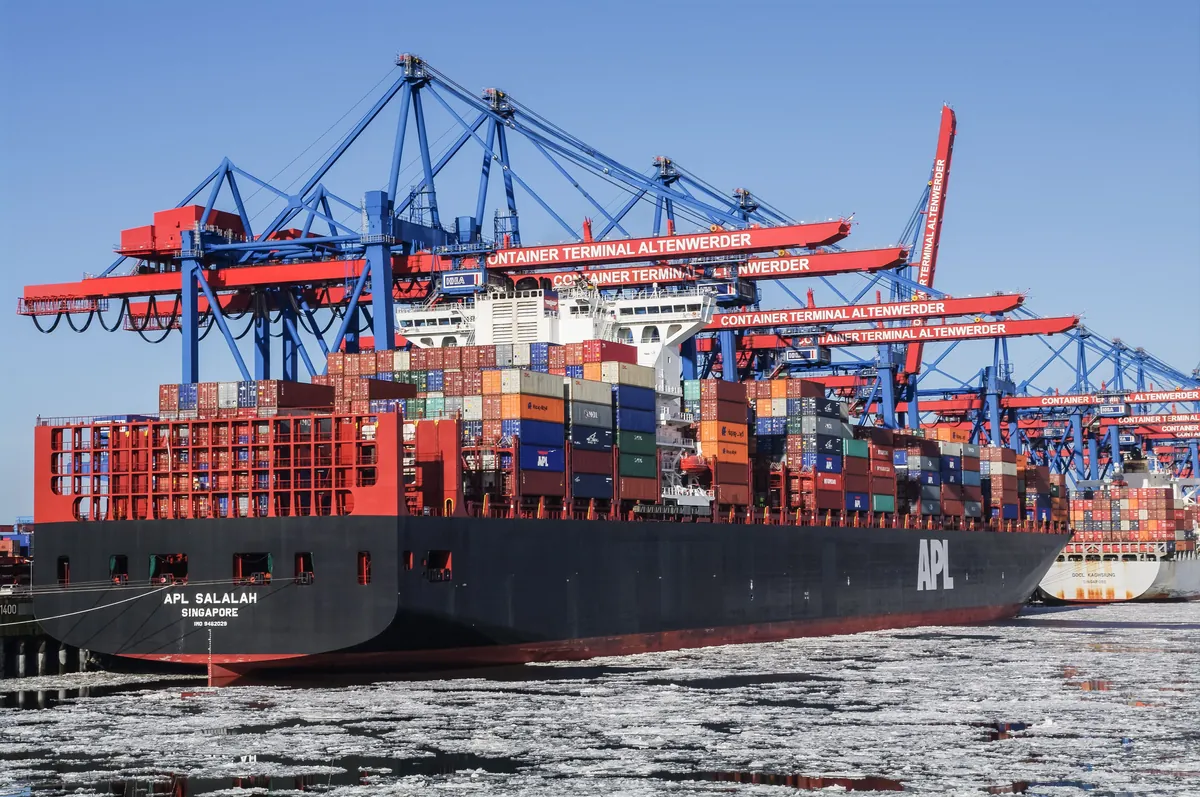
Cold Chain and Agri-Infrastructure Opportunity in India
Demand for cold chain capacity in India rests mainly on cutting post-harvest losses. Organised retail and e-grocery add to it, because they need produce that arrives fresh and in consistent condition. Cold storage serves potatoes, fruits, vegetables, dairy, meat, seafood and pharma, while ripening chambers serve bananas, mangoes and papaya.
Main buyer groups
- Farmers and farmer groups storing produce for better prices
- Fruit and vegetable traders and wholesalers
- Organised retailers and e-grocery operators
- Dairy, meat, seafood and pharma distributors
Projects We Advise On
Cold Storage Project
Building and operating temperature-controlled warehouses for potatoes, fruits, vegetables, dairy, meat, seafood and pharma, single- or multi-commodity, with pre-cooling and controlled-atmosphere options.
- Main buyers
- Farmers and FPOs, traders, processors, exporters, retail and QSR chains, pharma distributors
- Typical capacity
- ~1,000–20,000 MT
Banana Ripening Chamber
Building and operating sealed ripening rooms that ripen bananas (and mangoes or papaya) evenly using controlled temperature, humidity and ethylene gas, replacing banned calcium carbide ripening.
- Main buyers
- Banana traders and wholesalers, modern retail and e-grocery chains, exporters, QSR
- Typical capacity
- ~10–100 tonnes per cycle across chambers
Planning a Different Cold Chain and Agri-Infrastructure Project?
These are a few of the projects we advise on. NPCS's published client list records 28 services and other industries assignments, so tell us what you are planning.
How to Choose the Right Cold Chain and Agri-Infrastructure Project
Start with the commodity you can source or sell reliably, because that drives everything else. A cold storage suits you if you want to hold potatoes, fruits, dairy or pharma stock, either in a single-commodity or multi-commodity unit. A banana ripening chamber is a narrower project built around controlled temperature, humidity and ethylene gas. It replaces banned calcium carbide ripening and serves fruit traders directly. Many cold chain and agri-infrastructure business ideas in India begin with one of these two and add pre-cooling or pack-houses later.
| Project | Main inputs | Indicative investment | Power load |
|---|---|---|---|
| Cold Storage Project | PUF insulated panels, refrigeration plant (ammonia or HFC), racking, docks, power backup, warehouse software | ~₹6,000–15,000 per tonne of capacity (higher for CA and frozen stores) | ~100 kW–1.5 MW |
| Banana Ripening Chamber | PUF insulated chambers, refrigeration units, ethylene generators or cylinders, humidifiers, controllers, crates | ~₹50 lakh–₹3 crore | ~30–300 kW |
Common Approvals for Cold Chain and Agri-Infrastructure Projects
Most projects in this sector fall in the Green pollution category (S.No. 34). Food storage needs FSSAI registration or licence, and ammonia-based systems need ammonia safety measures. You'll also plan for a fire NOC and electrical inspector approval before operations begin. WDRA registration is optional, but it can help if you want to issue warehouse receipts.
Approvals Common to Cold Chain and Agri-Infrastructure Plants
- FSSAI for food storage
- Ammonia safety
- Fire NOC
- Electrical inspector approval
- WDRA registration (optional)
Pollution Category by Project (CPCB, January 2025)
- Cold Storage Project
- Cold storage: Green (CPCB Jan-2025 Annexure-I S.No. 34.2); chilling plant: Green (34.1)
- Banana Ripening Chamber
- Chilling plant/cold storage: Green (CPCB Jan-2025 Annexure-I S.No. 34.1/34.2)
Schemes and Rule Changes for Cold Chain and Agri-Infrastructure
Three support routes are commonly explored: the MIDH/NHB capital subsidy, PMKSY cold chain and the Agriculture Infrastructure Fund. Each has its own eligibility, so a detailed project report matters. On the regulatory side, calcium carbide ripening is banned, and FSSAI has rules on ethylene ripening. Any ripening project should be designed around those rules from the start.
Schemes and Incentives
- MIDH/NHB capital subsidy
- PMKSY cold chain
- Agriculture Infrastructure Fund
Policy Changes to Track
- Calcium carbide ripening banned
- FSSAI rules on ethylene ripening
How NPCS Helps With Cold Chain and Agri-Infrastructure Projects
As a cold chain and agri-infrastructure project consultant, NPCS works through the decisions that shape your plant: capacity, technology, machinery, vendors, layout and finance. We prepare a cold chain and agri-infrastructure project report suited to your commodity, budget and location. Our team also supports installation and commissioning, and the report can be used for bank loans and programmes, subject to each lender's requirements.
NPCS's published client list records 28 assignments across services and other industries projects between 2011 and 2025, for clients in 8 states and 8 countries.
Cold Chain and Agri-Infrastructure organisations that appear in NPCS's published client list:
ITC (Agri Business Division); Tripura Horticulture Corporation.
What Your Cold Chain and Agri-Infrastructure Project Report Covers
- Project introduction and BIS specifications
- Manufacturing process with flow sheet
- Market survey (demand, imports/exports, existing units)
- Personnel
- Plant and machinery with suppliers
- Land and building with layout
- Raw materials with sources and rates
- Financials (project cost, working capital, cost of production, profitability, break-even, 5–10 year cash flow, projected balance sheet, IRR/NPV/payback)
Cold Chain and Agri-Infrastructure: Frequently Asked Questions
What does a cold chain and agri-infrastructure consultant do?
A consultant helps you plan the project before you spend. That covers commodity choice, capacity, technology, machinery, approvals and financial projections. NPCS then puts these into a project report that banks and subsidy agencies can review.
Which projects does NPCS cover in this sector?
NPCS currently covers cold storage and banana ripening chambers. Pack-houses and multi-commodity cold chain are planned as later additions. If your idea sits close to these, share it and our team will tell you how we can help.
What pollution category applies to cold chain projects?
These projects generally fall in the Green category under S.No. 34. You'll still need other approvals, including FSSAI for food storage, a fire NOC, electrical inspector approval and ammonia safety measures where ammonia is used.
Which government schemes can support a cold storage project?
Common routes are the MIDH/NHB capital subsidy, PMKSY cold chain and the Agriculture Infrastructure Fund. Eligibility differs by scheme and project, so check conditions early. A detailed project report supports the application, though approval rests with the agency.
Why is calcium carbide ripening a concern for banana ripening projects?
Calcium carbide ripening is banned, and FSSAI has rules on ethylene ripening. A sealed chamber with controlled temperature, humidity and ethylene gas is the compliant alternative. Your project report should reflect these rules in its design.