
 Godrej & Boyce
 SRF
 Shyam Steel
 Tata Steel
 JSW Steel
 ITC (Agri Business Division)
 Aditya Birla Management Corporation
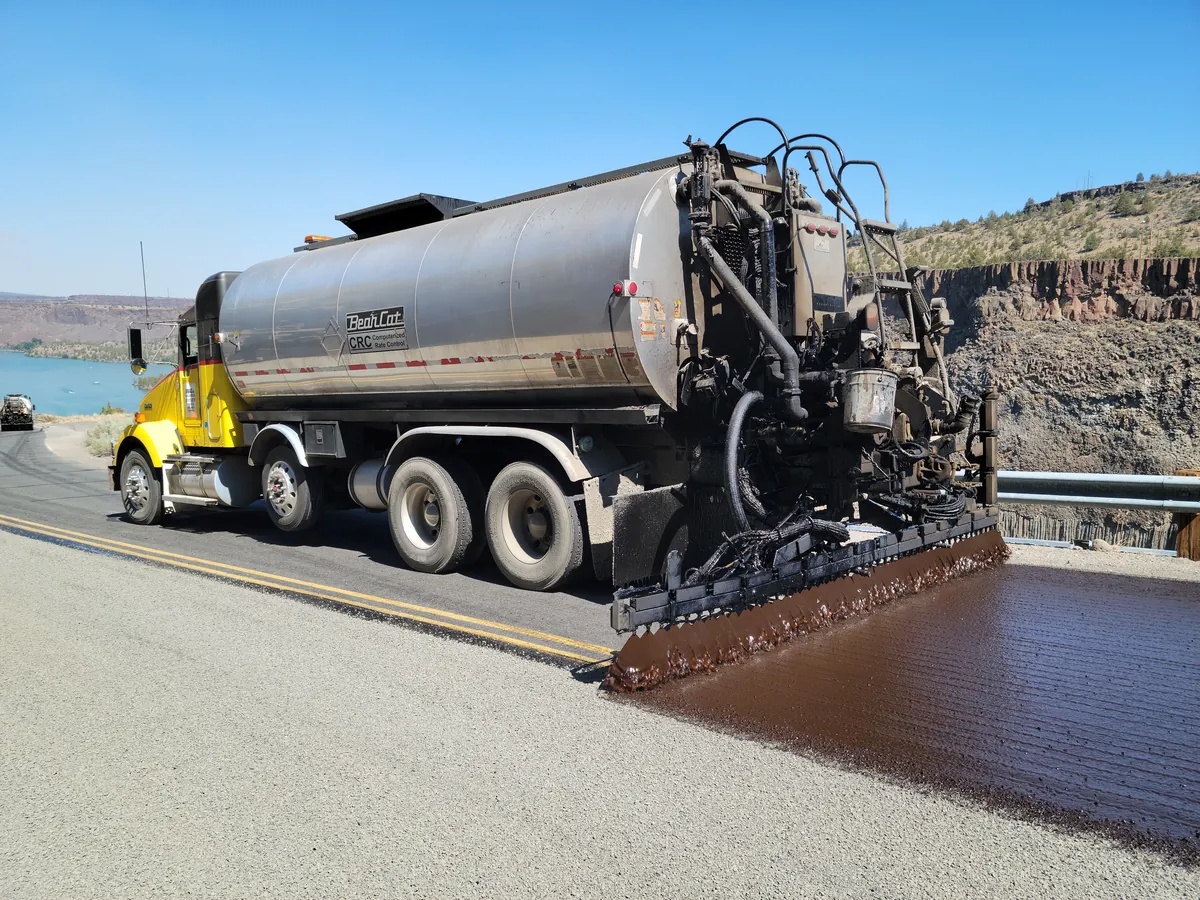
Road contractors and waterproofing firms buy bitumen emulsions for tack coats, prime coats, surface dressing and cold mix, and entrepreneurs set up plants to supply them. A bitumen emulsion plant consultant helps you decide capacity, technology, approvals and finance before you commit capital. Demand follows road building and maintenance, so the project suits investors who can secure bitumen supply and meet road agency specifications. Our team at NPCS supports you with feasibility work, machinery selection and a detailed project report.
Bitumen Emulsion Plant at a Glance
| Typical capacity | ~20–200 TPD |
|---|---|
| Land | ~1–3 acres |
| Power load | ~100–400 kW |
| Water | Moderate |
| Manpower | ~10–40 |
| Indicative investment | ~₹2–15 crore |
Investment basis: excludes land.
Figures are indicative ranges. Your project report works them out for your capacity and location.
Market Demand for Bitumen Emulsion Plants in India
Bitumen emulsion demand in India rises with road construction, cold-mix technologies and routine road maintenance. Buyers are mainly contractors working on NHAI and PWD projects, along with waterproofing contractors. Export potential is low, so your market is domestic and regional. Plants tend to sit near refineries and road clusters, and this affects freight and delivery time.
- Road contractors using tack and prime coats
- NHAI and PWD project contractors
- Waterproofing contractors
- Cold-mix and surface dressing applicators
Bitumen Emulsion Products You Can Make
Most new units start with rapid, medium and slow-setting emulsions, because road contractors use them every season. Polymer-modified and crumb rubber modified bitumen come later, once you have a quality record and a buyer base that values premium grades.
- Rapid, medium and slow-setting emulsions (RS, MS, SS), polymer-modified bitumen, crumb rubber modified bitumen
Bitumen Emulsion Plant Process Explained
The bitumen emulsion plant process turns hot bitumen and a water-based soap solution into a stable emulsion through a colloid mill. Heating keeps the bitumen fluid, while the soap solution carries the emulsifier and acid. The mill shears the bitumen into fine droplets, and cooling follows before dispatch.
Technology choice matters here. Batch soap tanks are simpler, whereas inline dosing gives tighter control, and PMB blending units add polymer-modified grades. Quality is checked for residue, viscosity, storage stability and particle charge against IS 8887 and IS 15462.
- Bitumen heating
- Soap solution preparation
- Colloid milling
- Cooling
- Storage and drumming or tanker dispatch
Raw Materials and Machinery for a Bitumen Emulsion Plant
Bitumen in VG grades is your main input, bought from refineries such as IOCL, BPCL and HPCL or imported. Emulsifiers, acids, polymers or crumb rubber, and water complete the mix. The colloid mill and the thermic fluid heater are the machines that most affect output quality and running cost.
- Heated bitumen tanks
- Thermic fluid heater
- Colloid mill
- Soap tanks
- Pumps
- Storage tanks
- Drumming
Licences and Approvals for a Bitumen Emulsion Plant
Bitumen emulsion plant licence and approvals start with business registration, then consent to establish from the State Pollution Control Board before construction. Units are generally Orange because of fumes and heaters, though the State PCB fixes the category. Consent to operate follows commissioning.
Plan the other approvals alongside, since road agencies check them before accepting your product.
- PESO approval for fuel storage
- Factory licence
- IS 8887 and IS 15462 compliance
- Road agency approvals under NHAI, PWD and MoRTH specifications
| Pollution category | Bitumen emulsion and blending units: generally Orange (fumes, heaters); the State PCB fixes the category |
|---|---|
| HSN code | 2715 (bituminous mixtures) |
| GST | 18% |
| BIS / quality control order | IS 8887 and IS 15462 required by road agencies |
| Other licences | PESO for fuel storage; factory licence; approvals from road agencies (NHAI, PWD, MoRTH specifications) |
Managing Seasonality and Working Capital in a Bitumen Emulsion Plant
Seasonality is strong in this business because road works slow during the monsoon. Sales concentrate in the dry months, while fixed costs such as heaters, manpower and power continue all year. Plan working capital so you can buy bitumen ahead of the season without tying up cash for too long.
Bitumen price swings add to the pressure. Waterproofing and maintenance orders can soften the slow months, and your project report should model the cash cycle with these gaps.
Choosing the Right Bitumen Emulsion Plant Size
Capacity in this project typically runs from about 20 to 200 TPD, and investment moves with it. A smaller unit suits a single district or contractor base, with lower stock and manpower. A larger plant needs more land, power and a steady bitumen allocation, but it can serve several road projects. Your project report works out the right size for your market and location.
Government Schemes and Project Finance for Bitumen Emulsion Plants
Demand for your output is tied to PMGSY, Bharatmala and state road programmes, so lenders look closely at order visibility. A bankable project report with costs, working capital and cash flow supports your loan discussions. NPCS reports are used for bank loans and government programmes such as PMEGP, MSME schemes, Mudra and NABARD-linked projects, subject to each lender's requirements.
What Decides Success in a Bitumen Emulsion Plant
Good operators secure bitumen allocation early, get quality approvals in place and stay close to live road projects. Waste is minimal, so margins depend on supply and pricing discipline. The main risks are monsoon slowdowns and bitumen price swings.
- Reliable bitumen allocation
- Quality approvals from road agencies
- Location near active projects
- Cash buffer for seasonal gaps
How NPCS Helps You Set Up a Bitumen Emulsion Plant
NPCS works with you on the decisions that shape this project: capacity, batch or inline technology, machinery and vendors, plant layout and approvals. Our team supports installation and commissioning, and prepares the financials a lender expects. You get a bitumen emulsion plant project report tailored to your budget, location and product mix.
NPCS's published client list records 3 assignments on bitumen emulsion projects between 2014 and 2024 for clients in 1 state and 1 country, including techno-economic feasibility studies.
What Your Bitumen Emulsion Plant Project Report Covers
- Project introduction and BIS specifications
- Manufacturing process with flow sheet
- Market survey (demand, imports/exports, existing units)
- Personnel
- Plant and machinery with suppliers
- Land and building with layout
- Raw materials with sources and rates
- Financials (project cost, working capital, cost of production, profitability, break-even, 5–10 year cash flow, projected balance sheet, IRR/NPV/payback)
Bitumen Emulsion Plant: Frequently Asked Questions
How much does a bitumen emulsion plant setup cost in India?
Bitumen emulsion plant setup cost in India is typically about ₹2–15 crore, depending on capacity and technology. This is an indicative range and excludes land. Your project report gives a figure for your capacity and location.
Which licences and pollution category apply to a bitumen emulsion plant?
Units are generally Orange because of fumes and heaters, but the State Pollution Control Board fixes the category. You will also need PESO for fuel storage, a factory licence, and road agency approvals, with IS 8887 and IS 15462 compliance.
How much land and power does a bitumen emulsion plant need?
A plant typically needs about 1–3 acres and a power load of about 100–400 kW. Water use is moderate. The exact figures depend on your capacity and whether you add PMB blending.
How to start a bitumen emulsion plant business?
Begin with a feasibility study covering capacity, bitumen supply and buyers. Then register the business, obtain consent to establish, finalise machinery, and arrange finance. Quality approvals from road agencies should be planned before you start commercial supply.
How does NPCS help with a bitumen emulsion plant project?
NPCS prepares the detailed project report and feasibility study, and guides machinery selection, vendor choice and plant layout. Our team also supports approvals planning and commissioning, so your project is ready for lenders and road agencies.