

 Bestseller

New
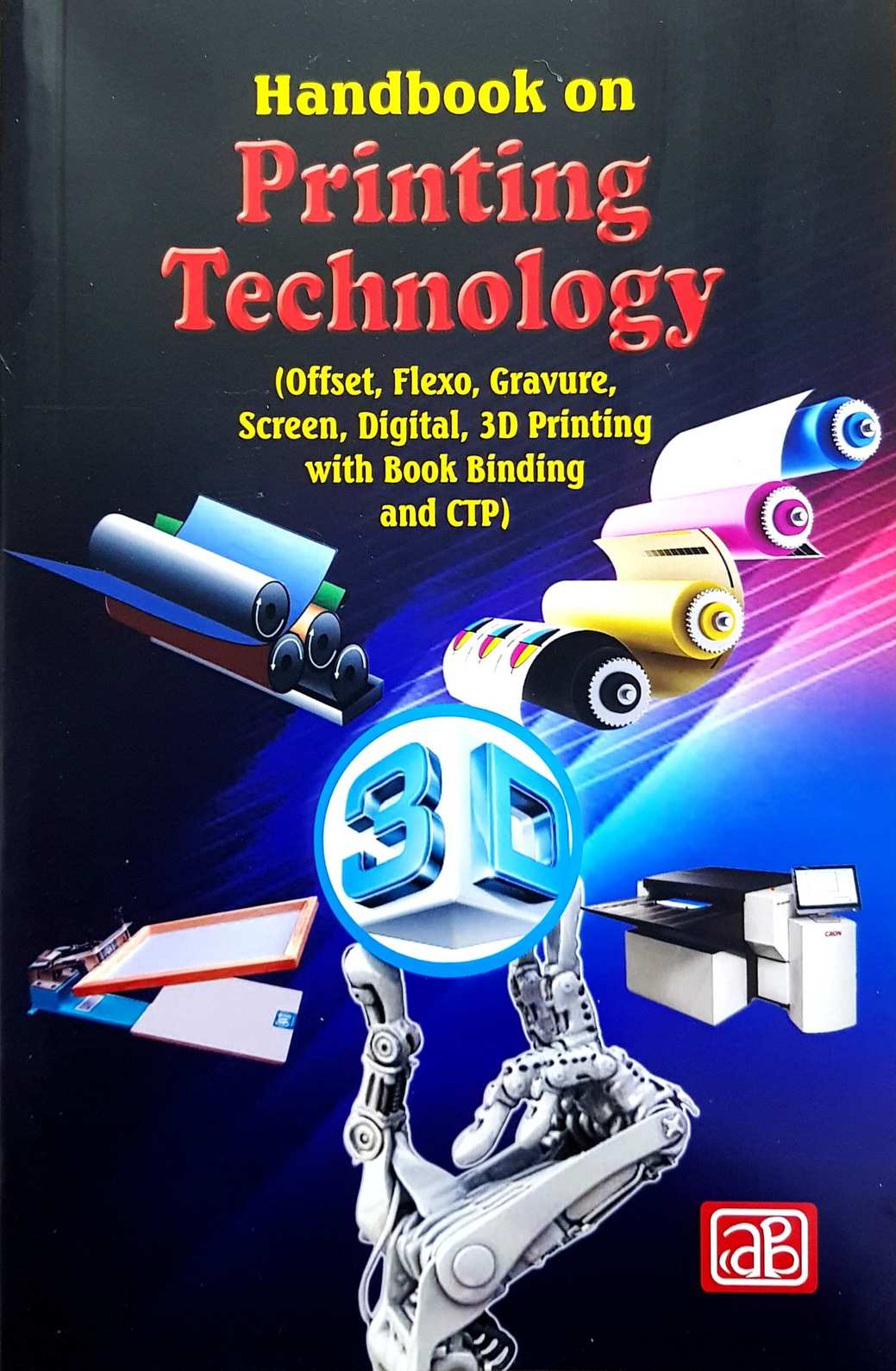
Handbook on Printing Technology (Offset, Flexo, Gravure, Digital, 3D Printing with Book Binding & CTP) 6th Edition
Printing Technology Handbook · 6th edition
This book covers offset, flexo, gravure, digital and 3D printing, along with book binding, CTP and starting a printing business. It helps entrepreneurs and press staff plan and run a printing unit.
₹2,475
Plus GST as applicable
- Paperback
- 440 pages
- In stock, ships in 5 working days
- ISBN
- 978-81-940995-0-5
- Pages
- 440
- Author
- NIIR Board of Consultants & Engineers
- Publisher
- Asia Pacific Business Press Inc.
- Edition
- 6th edition
- Language
- English
- Product code
- NI73
Who this book is for
- Entrepreneurs starting a printing press
- Packaging and label printers
- Print production staff
- Printing technology students
What's inside
- Major printing processes: relief, letterpress, offset, screen and digital
- Paper for printing
- How to start a printing business: market research, legal needs, funding and equipment
- Staffing, marketing, quality control and sustainability
- Modern printing techniques and colour printing
- Pre-press preparation
- Materials, tools and equipment
Table of contents
Show or hide the full contents
CONTENTS
- INTRODUCTION
History
Four Major Printing Processes Relief Printing Process
The Process
Letter Press Printing Process Plano Graphic
Offset
The Advantages of Offset Printing Include Screen Printing Process
Other Printing Methods Digital Printing
Paper for Printing
- HOW TO START A PRINTING INDUSTRY
Introduction
Understanding the Printing Industry Landscape
Types of Printing Businesses Industry Trends
Market Research and Feasibility Study Crafting a Business Plan
Legal and Regulatory Requirements Securing Funding
Setting Up Printing Facility
Acquiring Equipment and Technology Staffing and Training
Developing Brand and Marketing Strategy Operations Management and Quality Control Financial Management and Growth Strategies Embracing Sustainability
Challenges and Solutions
- MODERN PRINTING TECHNIQUES
Printing (Press Operation) Colour Printing
How a Printing Press Works
The Latest Technologies in Printing Industry Digital Inkjet Printing
3D Printing Rise Software Innovations
Hybrid Print Technologies
Efficient Technology
Special Printing Technologies
Basic Principles of Hybrid Printing System Hybrid Printing System Concepts of Combining Conventional Printing Technologies
Hybrid Printing Systems Combining NIP Technologies Hybrid Printing Systems Combining
Conventional and NIP Technologies
Hybrid Printing Systems Combining Computer to Press/ Direct Imaging with NIP Technologies
Hybrid Printing Systems Combining Conventional Printing Technologies with Computer to Press Technologies Basic Principles of Waterless Offset Printing Advantages/Merits of Waterless Printing
Qualitative Advantages Production Advantages Ecological Advantages
Basic Principle of Digital Printing
Flow Chart of Digital Composition of a Printed Page Direct Imaging (with master)
Computer to Print (without master)
Scope and Job suitability of Digital Printing Process
Basic Principle of Direct Imaging
Once Imagebale Master (Plate Imaging) Re-imagebale Master (Surface Imaging)
- PRE-PRESS PREPARATION
Introduction to Pre-Press Preparation Stages of the Pre-Press Process
File Preparation and Collection Preflighting
Image and Colour Management Typography and Font Management Proofing
Plate Making (for Non-Digital Printing)
Best Practices in Pre-Press Preparation
Technologies and Tools in Pre-Press Common Pre-Press Challenges and Solutions The Importance of Pre-Press in Print Quality
and Efficiency
Common Mistakes in Pre-Press Preparation
- MATERIALS, TOOLS AND EQUIPMENTS
Lithographic varnish Gum Arabic
Acids Turpentine French Chalk Resin Asphaltum Paraffin Driers Sponge
Dampening Cloth Vaseline
Tools and Equipments Scraper
Ink Knife Wrench
Precautions in Use Allen wrench
Box Wrench Adjustable Wrench Proofing Devices Mechanical Features The main body
Plate bed Paper bed Blanket cylinder Safety guards
Cylinder revolving switches Impression lever track Impression handle Dampening tray
Inking system Delivery
Operational Features
Makeready of the press
Pre-makeready of the plate Clamping the plate
Plate bed height setting Paper bed setting Dampening the plate Inking the plate.
Pulling the proof Automatic Proof Presses Use of proof presses
Photo-mechanical processes of proofing
Qualities of a Good Proof Proofing and printing
- SHEETFED OFFSET PRINTING
Names of the machines Mechanical Features Driving mechanism Switch boards
Mechanical driving of the machine Safety devices
Lubrication
Sheet feeding mechanism Sheet board
Functions of blowers Functions of the blower foot Sheet lifting and forwarding Sheet Controls
Sheet Register Front lays Side lays
Sheet Insertion and Transfer Direct method
Gripper designs Setting of grippers Inking System
Ink store and feed Distribution System Drums system Multiroll System Plate inking rollers Wash-up device Operating system
Precautions Adjustment of Rollers Maintenance of rollers
Different Dampening Systems Conventional dampening system Adjustments
Cleaning of Dampeners Construction of the machine Working on the cleaning machine Continuous feeding
Air knife dampening system Flap dampening system
Squeegee roller dampening system Reserve roller dampening system Brush feed dampening sytem Alcohol dampening system
Plate Cylinder
Cylinder driving Cylinder body Cylinder gap Plate clamping Blanket Cylinder
Impression Cylinder Adjustment of Cylinders
Setting of plate and blanket cylinder Pitch circle
Backlash
Combination of cylinder surface Calculation of packing thickness Advantages of Both Principles Delivery Mechanism
Sheet transfer Creation of air cushion Sheet slowing device Delivery skeletons Sheet carrier
Air blowers
Lighting arrangements Delivery part (board) Advantages
Counting machine Delivery board
Qualities of a good delivery system Attachments on the delivery part (board) Anti-setoff Spray
Powder spray Liquid spray system Precautions
Miscellaneous Operations
Numbers printing device Slitting device Perforating device
- WEB OFFSET PRINTING
Design of web machines Driving Mechanism Electrical arrangements Controlling box
Machine driving Oiling systems Reel stand unit Reel shaft Brake wheel
Lifting and lowering the reel Centering the reel shaft Tension rollers
Checking of momentum Automatic reel changing Web control unit
Web cleaner Photo-electric cell Web infeed system
Web transfer rollers Angular turner bars Printing Units
One side printing units
Blanket to blanket printing units Satellite system of units
Main Parts of Printing Unit
Plate cylinder
Plate edge bending Blanket cylinder Impression cylinder Inking System
Chilling device
Between the printing units Dampening system
Spray fountain system Delivery operations Ink drying unit
The temperature Chilling unit
Silicon applicating unit Delivery Unit Forwarding cylinders
P.I.V. gear mechanism Former
Adjustment of the former Centre indicator
Pulling rollers Folding Unit Second folder Third folder Cutting device Section counter Fourth folder
Section separator Section gathering
Ancillary Operations by Delivery Unit
Numbering Perforating Stitching Cutting Slitting device
Sheeting device
- COLOUR AND ITS REPRODUCTION
Terminology Related to Colour
Contrast Harmony Hue
Tint Shade Tone
Analogous colours Complementary colours
Density
Transparent and opaque colours
Mixing and Matching of Colours
The following factors affect the visual appearance of printed ink film
Precautions to be taken in ink mixing
Sequence of Colours in Printing
- QUALITY CONTROL IN PRINTING
Before Printing
Paper Ink
Dampening solution Plate
Machines and maintenance
During Printing Preparation of stock Sheet controls and guides Ink controls
Dampening controls Register controls Printing defects Control at delivery
Machine room temperature Working conditions
After Printing
Handling of printed sheets Counting of sheets
- FLEXOGRAPHY PRINTING
Flexography Flexographic platemaking Photo Chemical Change Rotary Principle
Rubber plates Substrates Paper and board
- ROTOGRAVURE PRINTING
- PRINT ON DEMAND (POD) AND WEB-TO-PRINT BUSINESS MODELS
Understanding POD and Its Applications
Setting up a Web-to-Print Storefront Integrating E-Commerce with Print Production Customization and Personalization Trends Key Strategies
- DIGITAL PRINTING
Introduction Digital Printing
Important Things We Should Know About Digital Printing Types of Digital Printing
Inkjet Printer Laser Printer
Important Features of Laser Printer Advantages of Digital Printing
Benefits of Digital Printing Design & Printing
Cheaper Printing High quality
Difference between Screen Printing and Digital Printing
Screen Printing Digital Printing
Comparison between Digital Printing and Press Printing
Digital Printing Press Printing
- DIGITAL TEXTILE AND SPECIALTY PRINTING
Direct-to-Garment (DTG) Printing Dye Sublimation Printing Reactive and Pigment Printing UV Gel and Advanced Inkjet
- 3D PRINTING
Introduction
History of 3D Printing
How Does 3D Printing Work? Technology
3D PRINTING APPLICATIONS
Medical and Dental Aerospace Automotive Jewellery Art/Design/Sculpture Architecture Fashion
Food
Benefits of 3D Printing
Advantages of 3D Printing in Manufacturing 3-D Printers are Becoming More Affordable Quicker Turnaround Times for Prototyping Quicker Product Launches
Competitive Advantage
Reduction in Manufacturing Errors
Complex Geometries Mass Customization Less Tooling
Fewer Costs Environmentally Friendly
Benefits of 3D Printing in Healthcare What Materials do 3D Printers Use?
Plastics Powders Resins
Other Materials
How do the different 3D Printing Technologies Work?
Fused Deposition Modeling (FDM) How does FDM Work?
Materials for FDM
Stereolithography and Digital Light Processing (SLA & DLP)
Selective Laser Sintering (SLS)
Material Jetting (PolyJet and MultiJet Modeling) Binder Jetting
Metal Printing (Selective Laser Melting and Electron Beam Melting)
Electron Beam Melting Characteristics
Selective Laser Melting Applications
PolyJet Photopolymer Benefits of Polyjet Polyjet Materials
3D Printing is a Game Changer
- 3D PRINTING MACHINERY
- Airwolf AW3D HD
- SLA 3D Printing Machine
- 3D Printing Machine
- Makerbot Replicator
- Dual Head 3D Printer
- Prototyping Machine
- Flashforge Finder
- 3D Systems Cube
- 3D Jet
- Formlabs
- CLOUD PRINTING AND REMOTE PRINT MANAGEMENT
Cloud-Based Print Solutions and Their Benefits Key Features of Cloud-Based Print Solutions Leading Cloud Printing Platforms
Benefits
Managing Print Operations Remotely
Key Aspects of Remote Print Management Security Considerations for Cloud Printing Threats and Risks
Key Security Best Practices Compliance
Integration with Mobile and Remote Workforces
Mobile Printing Features
Facilitating Remote and Hybrid Work Business Advantages
Remote Print Management
Key Functions in the Printing Industry Context
Centralized Production Monitoring Workflow Automation and Scheduling Quality and Proof Management Maintenance and Support
Data Analytics and Reporting Security and Compliance
- BOOK BINDING
Terms and Techniques Cutting & Folding
Folded Sheet or Section Binding Book binding Methods
Perfect Binding Hardcover/Case Binding
Saddle Staple (Fold, Staple, Trim) Binding Wiro Binding
Automatic Book Binding Machine
Programmable Logic Controllers (PLC)
- COMPUTER-TO-PLATE (CTP)
CTP Technologies Regulatory Requirements Plate Development
Visible Laser Plates Using Silver Halide Thermal Laser Plates Using Ablation
Temperature Control for Computer to Plate Technology Process
Platesetter Cooling Plate Processor Cooling
CTP Technology in Offset Printing
- MARKETING, BRANDING, AND CUSTOMER ACQUISITION FOR PRINT START-UPS
Why Marketing and Branding Matter for Print Start-ups ?
Building a Strong Brand Identity
Essential Print Marketing Tools for Start-ups Digital Marketing Strategies for Print Businesses Cost-Effective Customer Acquisition Tactics Measuring and Optimizing Your Marketing Efforts Branding and Customer Experience
Practical Checklist for Print Start-ups
- PRINTING INDUSTRY TRENDS AND FUTURE OPPORTUNITIES
Digital Transformation in Printing Sustainability and Eco-Friendly Printing 3D Printing: Expanding Horizons Personalization and Customization Smart Packaging and Printed Electronics Hybrid Printing Technologies
Growth of Packaging Printing Print-on-Demand (POD) Services
Artificial Intelligence and Data-Driven Printing Emerging Markets and Global Opportunities
- BIS SPECIFICATIONS
- PROCESS FLOW DIAGRAMS & LAYOUTS
- PLANT LAYOUT DESCRIPTION OF
THE PRINTING INDUSTRY
Objectives of Plant Layout in Printing
Key Areas in a Printing Plant Layout Principles and Techniques of Plant Layout Layout Planning Process in a Printing Plant
The Key Factors to Consider When Designing a Plant Layout for a Printing Industry
- PHOTOGRAPHS OF MACHINERY WITH
SUPPLIER’S CONTACT DETAILS
-
- Single Colour Offset Printing Machine
- Two Colour Satellite Offset Printing Machine
- Offset Printing with Numbering and Perforating Machine
- Web Offset Printing Machine
- Colour Screen Printer
- Flatbed Screen Printer
- Automatic Sheetfed Offset Printing Machine
- Sheetfed Offset Machine
- Mini Offset Printing Machine
- Flexographic Printing Machine
- Label Master Flexographic Printing Press
- Poly Offset Printing Machines
- Prepress Equipments
- Flip Top Printing Down Frame Single/Double Sided Machine
- Instant Start Metal Halide Plate Exposure
- Plate Coating Whirler
- Plate Curing Equipment
- Damper Roller Washer
- Vertical Process Camera
- 3M Plate Processor
- Computer-to-Screen Exposure System
- IGP Plate Processor
- Screen CTP System
- Inkjet CTP System (Computer to Plate Machine)
- Rotogravure Printing Machine
- 4 HI Tower (Automatic)
- 3 Colour + Stack Unit (Manual)
- Finishing System
- UV Inkjet Digital Printing System
- Perfecting Production System
- Tape Binder
- High Light Colour System
- Colour Printer
-
- Digital Press
- Digital Colour Press
- Manual Offset Printing Machine
- Rotogravure Printing Machine
- Black and White Digital Print Production System
- Digital Printing Machine
- Paper Binding Machine
- PLANT LAYOUTS
- REFERENCES
About this book
Read the full description
The printing industry is one of the most versatile and enduring sectors, playing a crucial role in communication, commerce, education, packaging, and creative expression. Despite the growth of digital media, the business of printing continues to thrive because of its adaptability and wide application. From newspapers, books, and marketing materials to packaging, textiles, and 3D applications, printing has consistently evolved to meet changing social and industrial needs. It not only supports information dissemination and branding but also powers innovation across industries like publishing, advertising, e-commerce, and manufacturing. The sector’s ability to integrate traditional craftsmanship with modern technology makes it both timeless and forward-looking.
The market for printing today is diverse and opportunity-rich. It extends far beyond mass production and includes specialized services such as customized printing, eco-friendly solutions, digital-on-demand publishing, and hybrid printing models. Customers increasingly seek quick turnaround, personalization, and sustainable practices, creating space for entrepreneurs to carve out unique niches. Printing also acts as an enabler for other industries by enhancing packaging appeal, supporting marketing campaigns, and adding value through creative design and finishing. In this dynamic landscape, success is not only about machinery or processes but also about understanding evolving consumer expectations, aligning with sustainability goals, and delivering superior quality with efficiency.
This book has been carefully designed to guide readers through every dimension of the industry. It covers the fundamentals of printing processes relief, offset, gravure, flexography, screen, and digital alongside modern innovations like Print-on-Demand, 3D printing, textile printing, and cloud-based print management. The book also provides practical knowledge on plant layouts, pre-press preparation, raw materials, machinery, quality control, BIS specifications, and supplier details. Beyond technical explanations, it includes insights into marketing strategies, customer acquisition, and future trends such as sustainable practices and smart packaging. Richly supported with process flow diagrams, equipment photographs, and case-based illustrations, it serves as both a reference and a practical toolkit.
For entrepreneurs, professionals who aspire to enter or expand in this field, the book offers much more than technical detail it provides a roadmap to building a viable and future-ready printing business. Entrepreneurs can use it as a starting point to identify opportunities and plan investments, professionals can rely on it to update their knowledge and adopt new practices, and students will find it a comprehensive learning resource bridging theory and application. By combining industry knowledge with practical guidance, this handbook equips readers to understand the sector deeply, respond to changing market realities, and successfully establish or grow a printing enterprise.
Questions about this book
Is this a printed book or a PDF?
This is a paperback edition, shipped within 5 working days of payment. The free sample PDF on this page shows the contents and introduction.
Which edition is this?
This is the 6th edition of the Printing Technology Handbook.
Can colleges, libraries or companies order in bulk?
Yes. Write to npcs.india@gmail.com or WhatsApp us with the titles and quantities for a quote.
How do I pay?
Add the book to the cart and pay online, or WhatsApp us to order and pay by bank transfer.
Related books
Bestseller New
 Bestseller
The Complete Technology Book on Printing Inks
₹1,000 US$26.95 Bestseller
 Bestseller