


Bestseller
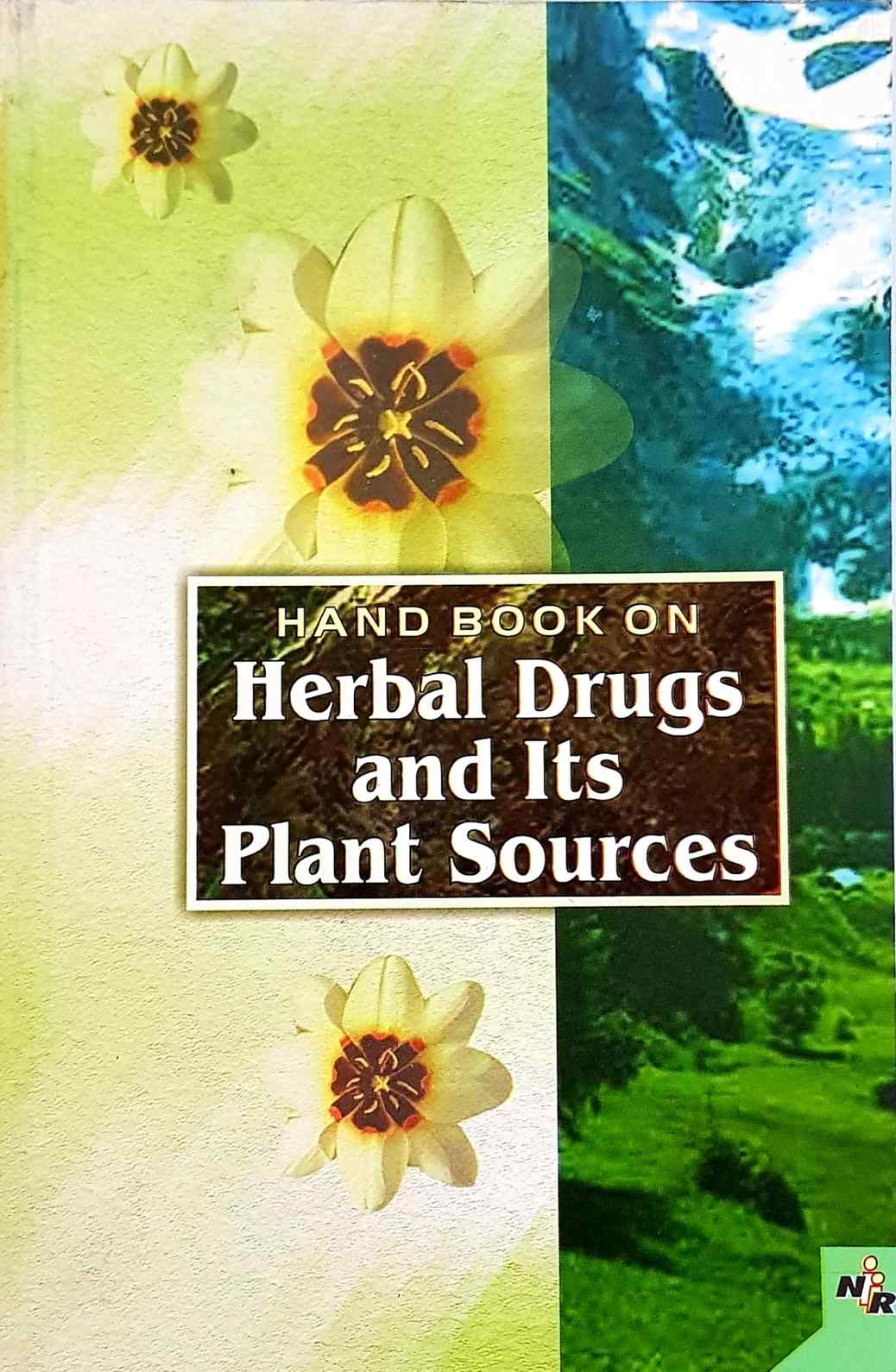
Handbook on Herbal Drugs and its Plant Sources
Handbook on Herbal Drugs and Its Plant Sources
This book covers traditional herbal remedies, studies on medicinal plants and a list of medicinal plants by genus and family. It helps herbal drug makers and researchers identify plant sources for herbal medicines.
₹1,000 US$26.95
Plus GST as applicable
- Paperback
- 596 pages
- In stock, ships in 5 working days
- ISBN
- 8186623736
- Pages
- 596
- Author
- H. Panda
- Publisher
- National Institute of Industrial Research
- Language
- English
- Product code
- NI97
Who this book is for
- Herbal medicine manufacturers
- Researchers in medicinal plants
- Ayurvedic practitioners
- Entrepreneurs in herbal products
What's inside
- Tribal remedies for snake bite and scorpion stings
- Traditional herbal contraceptives
- Medicinal uses of cucurbits and seed oils
- Authentication of traditional herbal drugs
- Traditional Chinese herbal drugs
- Herbal preparations
- List of medicinal plants by genus and family
Table of contents
Show or hide the full contents
1. An Ancient Drug for Filariasis
2. Tribal Remedies against Snake Bite And Scorpion stings in Rajasthan
3.Traditional Herbal Contraceptives from North-West Uttar Pradesh
4.Cervical Spondylosis through Herbal Drugs and withania Somnifera Dunol and Smilax China Linn. : A Preliminary Clinical Study
5.Medicinal uses of Cucurbits
6.Medicinally and Biologically Important Seed Oil
7.Ultramorphology in Authentication of traditional Herbal Drugs
8.Traditional Chinese Herbal Drugs in the Light of Scientific Studies
9.Significant Medical Plant
10.Medicinal and Poisonous Plants in History
11.Studies on Nepeta Ruderalis Hamitt Examination
of the Petroleum Ether Extractive of the Flower and Stems
12. Isolation of New compound From Lavandule
13. Stoechas Linn
13.Herbal Preparations
14.List of Medicinal Plants
Abroma (Sterculiacease)
Acacia (Mimosaceae)
Acalypha (Eupharbiuaceae)
Acathospermum (Asteraceae)
Acer (Aceraceae)
Achillea (Asteraceae)
Achyranthes (Amaranthaceae)
Aconitum (Ranunculaceae)
Acorus (Araceae)
Acronychia (Rutaceae)
Adhatoda (Acanthaceae)
Adoxa (Caprifoliaceae)
Aegle (Rutaceae)
Ailanthus (Simaroubaceae)
Alangium (Alangiaceae)
Albizia (Minesaceae)
Alisma (Alismataceae)
Allamanda (Apocynaceae)
Allium (Liliaceae)
Aleo (Liliaceae)
Aloysia (Verbenaceae)
Alpinia (Zingiberaceae)
Alstonia (Apocynaceae)
Amaranthus (Amarantha (ene)
Ammi (Apiaceae)
Ananas (Brameliaceae)
Andrographis (Acanthaceae)
Annona (Annomaceae)
Anthemis (Asteraceae)
Antirrhinum (Scorphulariaceae)
Apium (Apiaceae)
Argemone (Papaveraceae)
Aristolochia (Aristolochiaceae)
Arnebia (Boraginaceae)
Artemisia (Asteraceae)
Asclepias (Asclepiadaceae)
Asparagus (Liliaceae)
Aster (Asteraceae)
Atropa (Salanaceae)
Bacopa (Scrophulariaceae)
Banistereopsis (Malpighiaceae)
Berberis (Berberidaceae)
Betula (Betulaceae)
Boerhavia (Nyctaginaceae)
Boswellia (Barseraceae)
Brassica (Brassicaceae)
Brucea (Simaroubaceae)
Calendula (Asterceae)
Calophyllum (Clusiaceae)
Cannabis (Cannabaceae)
Canscora (Gentionaceae)
Capparis (Capparaceae)
Capsicum (Solanaceae)
Carica (Caesalpiniaceae)
Carpesium (Asteraceae)
Cassia (Caesalpiniaceae)
Catharanthus (Apoynaceae)
Cedrus (Pinaceae)
Centaurea (Asterceae)
Centella (Apiaceae)
Centratherum (Asteraceae)
Cephaelis (Rubiaceae)
Cephalotaxus (Cephalotoxaceae)
Cichorium (Asteraceae)
Cinchona (Rubiaceae)
Cinnamomum (Cephalotoxaceae)
Citrus (Rutaceae)
Claviceps (Claricipilaceae)
Cleistanthus (Eupharbiaceae)
Clerodendrum (Verbenaceae)
Cocculus (Minispermaceae)
Colchicum (Liliaceae)
Coleus (Lamiaceae)
Commiphora (Burseraceae)
Convolvulus (Convolvulaceae)
Corchorus (Tiliaceae)
Corydalis (Funariaceae)
Costus (Zingiberaceae)
Crotalaria (Papilionaceae)
Croton (Eupharbizceae)
Cucurbita (Amaryllidaceae)
Curculigo (Amaryllidaceae)
Curcuma (Zingiberaceae)
Cuscuta (Cuscutaceae)
Cyamopsis (Papailionaceae)
Cyclea (Menispermaceae)
Datisca (Datiscaceae)
Datura (Solonaceae)
Dauncus (Apiaceae)
Delonix (Caesalpiniaceae)
Desmodium (Rutaceae)
Dictamnus (Scrophulariaceae)
Digitalis (Ebenaceae)
Diospyros (Meliaceae)
Dyxoxylum (Myrsinaceae)
Embelia (Myrsinaceae)
Enicostemma (Gentianaceae)
Epilobium (Onagraceae)
Ervatamia (Apecynaceae)
Erythroxylum (Erythroxylaceae)
Eucalyptus (Mytraceae)
Euphorbia (Euphorbiaceae)
Fagopyrum (Polygonaceae)
Fagraea (Loganiaceae)
Ferula (Apiaceae)
Ficus (Moraceae)
Fritillaria (Liliaceae)
Fumaria (Fumariaceae)
Gardenia (Rubiaceae)
Geranicum (Geraniaceae)
Gloriosa (Liliaceae)
Glycyrrhiza (Papilianaceae)
Gossypium (Ranunculaceae)
Hedera (Araliaceae)
Hedychium (Zingiberaceae)
Helleborus (Ranunculaceae)
Hibiscus (Malraceas)
Hippomane (Euphorbiaceae)
Holarrhena (Apocynaceae)
Hordeum (Poaceae)
Humulus (Moraceae)
Hunnemannia (Pappaveraceae)
Hypericum (Hypericaceae)
Hyphaene (Arecaceae)
Iberis (Brassicaceae)
Indigofera (Papilionaceae)
Ipomoea (Convolvulaceae)
Jatropha (Euphorbiaceae)
Lantana (Verbenaceae)
Lepidium (Brassicaceae)
Leucas (Lamiaceae)
Liriodendron (Mangnoliaceae)
Lycopodium (Lycopodiaceae)
Madhuca (Sapotaceae)
Magnolia (Magnoliaceae)
Mammea (Clasiaceae)
Matricaria (Asteraceae)
Maytenus (Celastraceae)
Medicago (Papilionaceae)
Melilotus (Papilionaceae)
Mentha (Lamiaceae)
Morus (Moraceae)
Nelumbium (Nymphaeaceae)
Nepeta (Lamiaceae)
Nerium (Apocynaceae)
Nicotiana (Solanaceae)
Nigella (Ranunculaceae)
Nothapodytes (Icacinaceae)
Ocimum (Lamiaceae)
Ophiorhiza (Rubiaceae)
Pachygone (Menispermaceae)
Panax (Araliaceae)
Papaver (Papaveraceae)
Parthenium (Asteraceae)
Paspalum (P. scrobiculatum L.)
Phaseolus (Papilionaceae)
Picrorhiza (Scrophalariacear)
Pimpinella (Apiacene)
Piper (Piperaceae)
Plumeria (Apocynaceae)
Podocarpus (Padocarpaceae)
Psoralea (Papilionaceae)
Pterocarpus (Papilionceae)
Rauvolfia (Apocynaceae)
Robina (Papilionaceae)
Rosa (Rosaceae)
Rosmarinus (Lamiaceae)
Roylea (Lamiaceae)
Saccharum (Poaceae)
Sagittaria (Alismataceae)
Salacia (Celastraceae)
Salvadora (Salvadraceae)
Saliva (Celastraceae)
Samadera (Simaroubaceae)
Sapindus (Sapindaceae)
Saraca (Caesalpiniaceae)
Schefflera (Araliaceae)
Selinum (Apiaceae)
Semecarpus (Anacardiaceae)
Sesbania (Papilionaceae)
Shorea (Dipteracarpaceae)
Sida (Malvaceae)
Silybum (Asteraceae)
Solanum (Solanaceae)
Solidago (Asteraceae)
Sophora (Papilionaceae)
Stephania (Menispermacene)
Strophanthus (Apacynaceae)
Strychnos (Strychnaceae)
Swertia (Gentianaceae)
Tagetes (Asteraceae)
Taxus (Taxaceae)
Tecomella (Bignoniaceae)
Tectona (Verbenaceae)
Terminalia (Combretaceae)
Thalictrum (Ranunculaceae)
Thevetia (Apocynaceae)
Tiliacora (Menispermaceae)
Tinospora (Minispermaceae)
Tithonia (Asteraceae)
Toona (Meliaceae)
Trifolium (Papilionaceae)
Tylophora (Asclepiadaceae)
Valeriana (Valerianaceae)
Vicia (Papilionaceae)
Wikstroemia (Thymelaeaceae)
Withania (Solanaceae)
Woodfordia (Lythraceae)
Xanthium (Asteraceae)
Xylia (Mimosaceae)
Zea (Poaceae)
Zingiber (Zingiberaceae)
Zygophyllum (Zygophyllaceae)
15.Overseas Suppliers & Buyers
About this book
Read the full description
India is a large repository of herbal drugs and become a big centre and fountain in the field of herbal therapy and beautification. Treatment through the herbs is very popular in the ancient time in Indian subcontinent and now approaching to new boundaries. Plants had been used for medicinal purposes long before recorded history. It is becoming more main stream as improvements in analysis and quality control along with advances in clinical research show the value of herbal medicine in the treating and preventing disease. Herbal medicine is used to treat many conditions, such as asthma, eczema, migraine, etc. Medicinal plants have been used as a major source of therapeutic agents by human being for thousands of years. Ancient men obtained more than 90% of his medicaments from higher plants. However, the importance of plants as a source of drugs decreased to certain extent. In spite of the fact that synthetic drugs and antibiotics have improved the life expectancy of man, plants still constitute as one of the major sources of raw materials for drugs all over the world. Now a day people are very much aware of the ingredients in synthetic drugs, the benefits of plant products and harmful effects of chemical ingredients. Herbal drugs are in huge demand in the developed world for health care for the reason that they are efficient, safe and have lesser side effects. The formulations based on herbs are safe and effective.
The major content of this book are an ancient drug for filariasis, tribal remedies against snake bite and scorpion stings in Rajasthan, traditional herbal contraceptives from North-West Uttar Pradesh, cervical spondylosis through herbal drugs, medicinal uses of cucurbits, traditional Chinese herbal drugs in the light of scientific studies, significant medical plant, medicinal and poisonous plants in history.
This particular book clearly describes chemical analysis, the original source drugs, biological activity, herbal preparation of medicine, and many more. This book also contains description of more than 200 medicinal plants which is beneficial to scientists and scholars.
Questions about this book
Is this a printed book or a PDF?
This is a paperback edition, shipped within 5 working days of payment. The free sample PDF on this page shows the contents and introduction.
Can I order from outside India?
Yes. Buyers outside India pay the US$ price shown. WhatsApp or email us for the delivery time to your country.
Can colleges, libraries or companies order in bulk?
Yes. Write to npcs.india@gmail.com or WhatsApp us with the titles and quantities for a quote.
How do I pay?
Add the book to the cart and pay online, or WhatsApp us to order and pay by bank transfer.
Related books
 New
India Menthol Crystal Market Report
₹1,15,640 US$2,000 Bestseller
 New
 Bestseller
 Bestseller