
 Tata Steel
 JSW Steel
 ITC (Agri Business Division)
 Godrej & Boyce
 Aditya Birla Management Corporation
 Grasim Industries (Century Rayon)
 Thermax (Chemical Division)
 UPL
Pharma brands, supplement companies and direct-to-consumer labels all need a reliable source of softgels, and that demand is why entrepreneurs look for a softgel capsule manufacturing consultant. The business encapsulates liquid and semi-solid fills such as oils, vitamins and APIs in a gelatin or plant-based shell. Many units also run hard capsule filling as an allied line. NPCS has worked with entrepreneurs since 1994 and helps you decide capacity, technology, machinery and compliance before you commit funds.
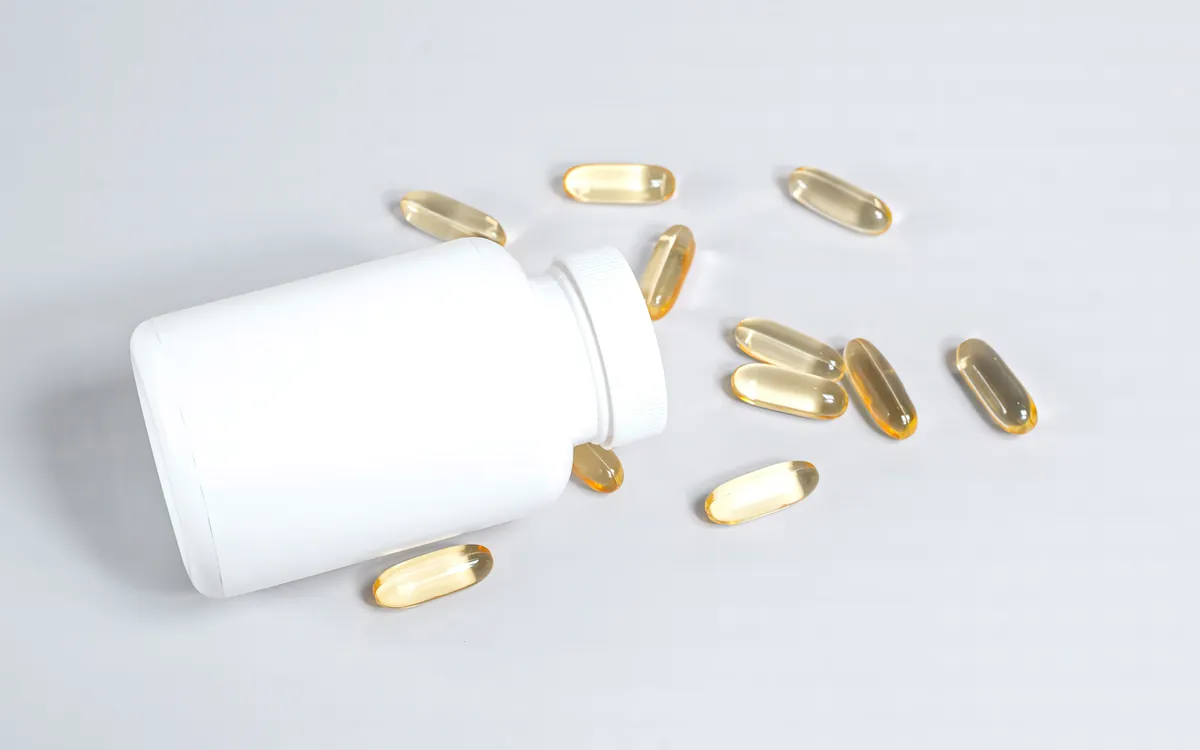
Softgel Capsule Manufacturing at a Glance
| Typical capacity | ~10–100 crore capsules per year |
|---|---|
| Land | ~1–3 acres |
| Power load | ~500 kW–2 MW |
| Water | Moderate |
| Manpower | ~40–150 |
| Indicative investment | ~₹15–80 crore |
Investment basis: excludes land.
Figures are indicative ranges. Your project report works them out for your capacity and location.
Market Demand for Softgel Capsules in India
Softgel demand in India comes mainly from rising supplement consumption and from brands that outsource production. Contract manufacturing lets a brand launch a product without building a plant, so a well-run unit can serve several clients. Production is concentrated in Baddi (Himachal Pradesh), Gujarat, Maharashtra and Telangana. Demand is steady through the year, since seasonality is low, and export potential is high.
- Pharma brands needing cough, cold and vitamin softgels
- Nutraceutical and supplement brands
- D2C supplement companies
- Exporters sourcing finished capsules
Softgel Products You Can Make
Most new units begin with standard softgels such as fish oil, vitamin E and D3, because these have steady buyers. Veg softgels suit brands serving vegetarian customers, and liquid-filled hard capsules let you offer a second format on the same fill preparation set-up.
- Softgels (fish oil, vitamin E, D3, multivitamins, cough and cold), veg softgels, liquid-filled hard capsules
Softgel Capsule Manufacturing Process
The softgel capsule manufacturing process starts with a gel mass for the shell and a separate fill preparation. A rotary-die encapsulation machine then forms, fills and seals the capsules in one pass. Wet capsules go through tumble drying and tray drying, which is where humidity control matters most. After drying, capsules are inspected, polished and packed in bottles or blisters. Quality checks cover fill weight, seal integrity, disintegration, moisture and assay, against IP monographs. Humidity-controlled drying rooms are a core part of the technology, not an extra.
- Gel mass preparation
- Fill preparation
- Encapsulation (rotary die)
- Tumble drying
- Tray drying
- Inspection
- Polishing
- Bottling or blistering
Raw Materials and Machinery for a Softgel Plant
Your main inputs are gelatin or plant-based shell material, glycerin, fill ingredients such as oils, APIs and vitamins, and colours. Gelatin, APIs and oils are sourced both domestically and from imports. Among the machines, the encapsulation machine and the dehumidified drying tunnels decide output and quality, so spend time on their specifications and vendors.
- Gelatin melting tanks
- Fill mixers
- Softgel encapsulation machine
- Tumble dryers
- Drying tunnels with dehumidifiers
- Inspection
- Blister and bottling lines
Softgel Capsule Manufacturing Licence and Approvals
Approvals follow a fixed order: business registration, pollution consent, then product licences. Pharmaceutical formulation falls in the Orange category (CPCB S.No. 123.3), so apply for consent to establish before construction and consent to operate before production. Pharma units need a drug manufacturing licence under revised Schedule M GMP, while nutraceutical softgels need an FSSAI licence. No QCO applies.
- Drug manufacturing licence for pharma softgels
- FSSAI licence for nutraceutical softgels
- WHO-GMP for exports
| Pollution category | Pharmaceutical formulation: Orange (CPCB S.No. 123.3) |
|---|---|
| HSN code | 3004 (medicaments); 2106 (nutraceutical preparations) |
| GST | Medicines 5% under GST 2.0; nutraceutical softgels follow their own entry |
| BIS / quality control order | No QCO |
| FSSAI | FSSAI licence for nutraceutical softgels (Nutraceutical Regulations) |
| Other licences | Drug manufacturing licence (pharma); revised Schedule M GMP; WHO-GMP for exports |
Quality Standards and Certification for Softgel Units
Buyers judge a softgel plant on its certificates before they judge its price. Revised Schedule M GMP is the baseline for pharma work, and WHO-GMP is expected when you export. Nutraceutical clients look for the FSSAI licence. Plan the layout, drying rooms and testing set-up around these standards from day one, because changing them after construction costs far more than designing them in.
Export Opportunity for Softgel Capsules
Export potential for softgels is high, and exporters are one of the main customer groups for Indian units. Overseas buyers generally ask for WHO-GMP compliance, so decide early whether you will serve them. Building to that standard from the start lets you take both domestic contract work and export orders without rebuilding the facility.
Government Schemes and Project Finance
MSME units can look at the revamped Pharmaceutical Technology Upgradation Assistance Scheme and state pharma incentives. Eligibility and benefits depend on each scheme's current terms. Reports from NPCS are used for bank loans and government programmes such as PMEGP, MSME schemes, Mudra and NABARD-linked projects, subject to each lender's requirements.
What Decides Success in a Softgel Capsule Unit
Good operators control humidity, stay GMP compliant and build a spread of clients. The main risks are gelatin price swings and dependence on a few customers.
- Humidity control in drying rooms
- Consistent GMP compliance
- A broad client portfolio
- Gelatin price planning
- Recycling gelatin net for other uses
How NPCS Helps You Set Up a Softgel Capsule Plant
Our team works through the decisions that shape your project: capacity, technology, machinery selection and vendor choice. We also support plant layout, production process guidance, and installation and commissioning assistance. Your softgel capsule manufacturing project report brings these choices together with costs, so lenders and partners can assess the plan clearly.
NPCS's published client list records 10 assignments on softgel capsule projects between 2012 and 2019 for clients in 5 states and 3 countries, including detailed project reports, bankable project reports and techno-economic feasibility studies.
What Your Softgel Capsule Manufacturing Project Report Covers
- Project introduction and BIS specifications
- Manufacturing process with flow sheet
- Market survey (demand, imports/exports, existing units)
- Personnel
- Plant and machinery with suppliers
- Land and building with layout
- Raw materials with sources and rates
- Financials (project cost, working capital, cost of production, profitability, break-even, 5–10 year cash flow, projected balance sheet, IRR/NPV/payback)
Softgel Capsule Manufacturing: Frequently Asked Questions
How much does softgel capsule manufacturing setup cost in India?
An indicative investment is about ₹15–80 crore, excluding land, depending on capacity and technology. Capacity typically ranges from about 10–100 crore capsules per year. Your project report works out the exact cost for your plan and location.
Which licences are needed for softgel capsule manufacturing?
Pharma softgels need a drug manufacturing licence under revised Schedule M, while nutraceutical softgels need an FSSAI licence. The unit falls in the Orange pollution category, so you also need consent to establish and consent to operate. WHO-GMP applies for exports.
How much land and power does a softgel plant need?
A softgel plant typically needs about 1–3 acres and a power load of roughly 500 kW–2 MW. Water use is moderate. These are indicative figures and change with capacity, drying room size and the number of packing lines.
How to start softgel capsule manufacturing?
Begin by choosing your market, pharma, nutraceutical or contract work, then fix capacity and location. Next prepare a project report, secure registrations and pollution consent, and select machinery. Finally obtain product licences before commercial production. Our team can guide each step.
How does NPCS help with a softgel capsule project?
NPCS prepares detailed project reports, bankable reports and feasibility studies, and supports machinery selection, vendor choice and plant layout. We have recorded assignments on softgel projects before. Share your planned capacity and location, and we'll outline the next steps.