
 Tata Steel
 JSW Steel
 Tata Metaliks
 Shyam Metalics and Energy
 KRIBHCO Infrastructure
 Sarda Metals & Alloys
 Shyam Steel
 Shyam Steel Industries
A copper tube plant makes jointless tubes, including inner-grooved tubes, for air conditioners, refrigeration and plumbing. Investors choose it because AC and refrigeration makers need dependable domestic supply. A good copper tube plant consultant helps you decide the route, capacity and approvals before money is committed. NPCS prepares the detailed project report, guides machinery selection and supports you through planning, so decisions rest on figures rather than assumptions.
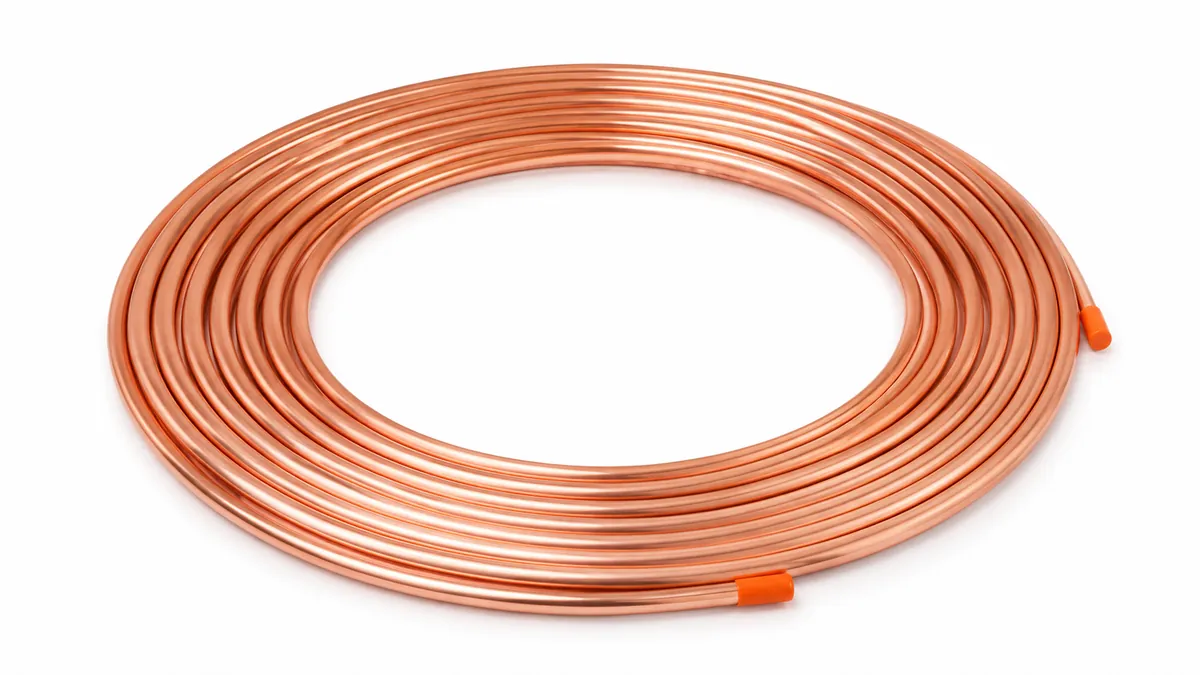
Copper Tube Plant at a Glance
| Typical capacity | ~5,000–30,000 TPA |
|---|---|
| Land | ~5–12 acres |
| Power load | ~3–10 MW |
| Water | Moderate |
| Manpower | ~80–250 |
| Indicative investment | ~₹100–500 crore |
Investment basis: capital intensive; excludes land.
Figures are indicative ranges. Your project report works them out for your capacity and location.
Market Demand for Copper Tube Plants in India
Demand for copper tubes follows air conditioning, and rising AC penetration is the main driver. PLI-driven component localisation adds to it, because makers want local sources for AC parts. Manufacturing is concentrated in Gujarat, Rajasthan (Neemrana), Maharashtra and Tamil Nadu, close to appliance makers. Export potential is medium, so most output serves the home market.
Your main buyers are likely to be:
- AC and refrigeration OEMs
- HVAC contractors
- Plumbing distributors
- Medical gas and heat exchanger makers
Copper Tube Products You Can Make
Your range can include level-wound coils, straight lengths, inner-grooved tubes, pancake coils and plumbing tubes. Inner-grooved tubes and level-wound coils suit AC OEMs, while straight lengths and plumbing tubes reach contractors and distributors. Your project report can help you choose which to start with.
- Level-wound coils (LWC), straight lengths, inner-grooved tubes, pancake coils, plumbing tubes
Copper Tube Plant Process and Quality Control
The copper tube plant process turns melted copper into thin-walled tube through casting, forming, drawing and annealing. Two routes are common: cast-and-roll lines, or extrusion followed by drawing. Inner-grooving machines are added when you want tubes for air conditioners.
Quality is controlled at several points, not only at the end. Each tube is checked for dimensions, cleanliness and temper, and eddy-current testing finds hidden defects before packing. Buyers usually refer to IS 10773 and ASTM B280/B88, so your testing set-up should be planned around them.
- Melting and casting of hollow billets or continuous casting
- Piercing or extrusion
- Cast-and-roll or drawing
- Inner grooving
- Annealing
- Level winding or cutting
- Eddy-current testing
- Packing
Raw Materials and Machinery for a Copper Tube Plant
Your main input is copper cathodes or high-grade scrap, along with lubricants. Cathodes come from domestic smelters and imports. The machines that matter most are the shaft furnace, the horizontal caster, the rolling mill or extrusion press, and the inner-grooving machines. Eddy-current testers protect your quality record.
- Shaft furnace
- Horizontal caster
- Planetary rolling mill or extrusion press
- Drawing benches
- Inner-grooving machines
- Annealing furnace
- Level winders
- Eddy-current tester
Copper Tube Plant Licence and Approvals
Start with business registration, then obtain consent to establish from the State Pollution Control Board before construction. Consent to operate follows once the plant is ready. Copper melting on electricity is Orange, while drawing without pickling is White or Green. Plan the factory licence and hazardous waste authorisation early. NPCS also checks the current BIS requirement for your product.
| Pollution category | Copper melting on electricity: Orange (CPCB S.No. 99.2); drawing without pickling White or Green (105) |
|---|---|
| HSN code | 7411 (copper tubes and pipes) |
| GST | 18% |
| BIS / quality control order | QCO coverage changes often; NPCS verifies the current BIS requirement for your product during project planning; buyers use IS 10773 and ASTM specs |
| Other licences | Factory licence; hazardous waste authorisation |
Securing Copper Cathode and Scrap Supply
Copper is your largest cost, so supply planning matters as much as machinery. Cathodes come from domestic smelters and imports, and high-grade scrap can reduce dependence on either. Reusing your own process scrap by remelting also protects margins. Copper price risk is a known challenge, so your plan should set purchase practice and stock levels from the start.
Where to Set Up a Copper Tube Plant
Locate near your buyers and utilities. Gujarat, Rajasthan (Neemrana), Maharashtra and Tamil Nadu already host AC and appliance manufacturing, which shortens delivery and helps with OEM approvals. A plant also needs about 5–12 acres and roughly 3–10 MW of power, so confirm land and supply before you commit to a site.
Government Schemes and Project Finance
The PLI scheme for white goods covers AC components, including copper tubes, and may be relevant to your plant. Because the project is capital intensive, lenders will expect a bankable report. NPCS reports are used for bank loans and government programmes, subject to each lender's requirements.
What Decides Success in a Copper Tube Plant
Good operators win OEM approvals, reuse scrap and protect rolling yield. The risks to plan for are:
- Copper price swings
- High capital cost
- Competition from imports
- Summer-led AC demand
How NPCS Helps You Set Up a Copper Tube Plant
NPCS supports the decisions that shape this project: capacity, cast-and-roll versus extrusion, and inner-grooving needs. Our team helps with machinery selection, vendor selection, plant layout and commissioning assistance. We also prepare the financials and approvals roadmap a lender will ask for, tailored to your location and budget.
NPCS's published client list records 3 assignments on copper tube projects between 2023 and 2025 for clients in 2 states, including detailed project reports, bankable project reports and techno-economic feasibility studies.
What Your Copper Tube Plant Project Report Covers
- Project introduction and BIS specifications
- Manufacturing process with flow sheet
- Market survey (demand, imports/exports, existing units)
- Personnel
- Plant and machinery with suppliers
- Land and building with layout
- Raw materials with sources and rates
- Financials (project cost, working capital, cost of production, profitability, break-even, 5–10 year cash flow, projected balance sheet, IRR/NPV/payback)
Copper Tube Plant: Frequently Asked Questions
What is the copper tube plant setup cost in India?
An indicative investment is about ₹100–500 crore, excluding land. The project is capital intensive, and the final figure depends on capacity, technology route and machinery. Your project report works out the cost for your plan.
Which licences and pollution category apply to a copper tube plant?
Copper melting on electricity is Orange, while drawing without pickling is White or Green. You also need a factory licence and hazardous waste authorisation. NPCS verifies the current BIS requirement during planning.
How much land and power does a copper tube plant need?
Typically about 5–12 acres of land and 3–10 MW of power, depending on capacity. Water need is moderate. Check power availability at your site early, since it can decide the location.
How to start a copper tube plant business?
Begin with a feasibility study covering capacity, technology route and buyers. Then secure land, approvals and finance, select machinery and seek OEM approvals. A detailed project report ties these steps together.
How can NPCS help with a copper tube plant project report?
NPCS prepares a detailed, bankable report with process, machinery, raw materials and financials, tailored to your capacity and location. Our team also guides machinery and vendor selection and commissioning assistance.