
 Tata Steel
 JSW Steel
 ITC (Agri Business Division)
 Godrej & Boyce
 Aditya Birla Management Corporation
 Grasim Industries (Century Rayon)
 Thermax (Chemical Division)
 UPL
A blood bag manufacturing plant makes sterile PVC bags with anticoagulant solution for blood collection and component separation. Entrepreneurs and medical device companies set these plants up to supply blood banks, hospitals and blood transfusion services. As a blood bag manufacturing plant consultant, NPCS helps you size the unit, select technology, plan the clean room and prepare for CDSCO licensing, so your investment decision rests on a detailed project report.
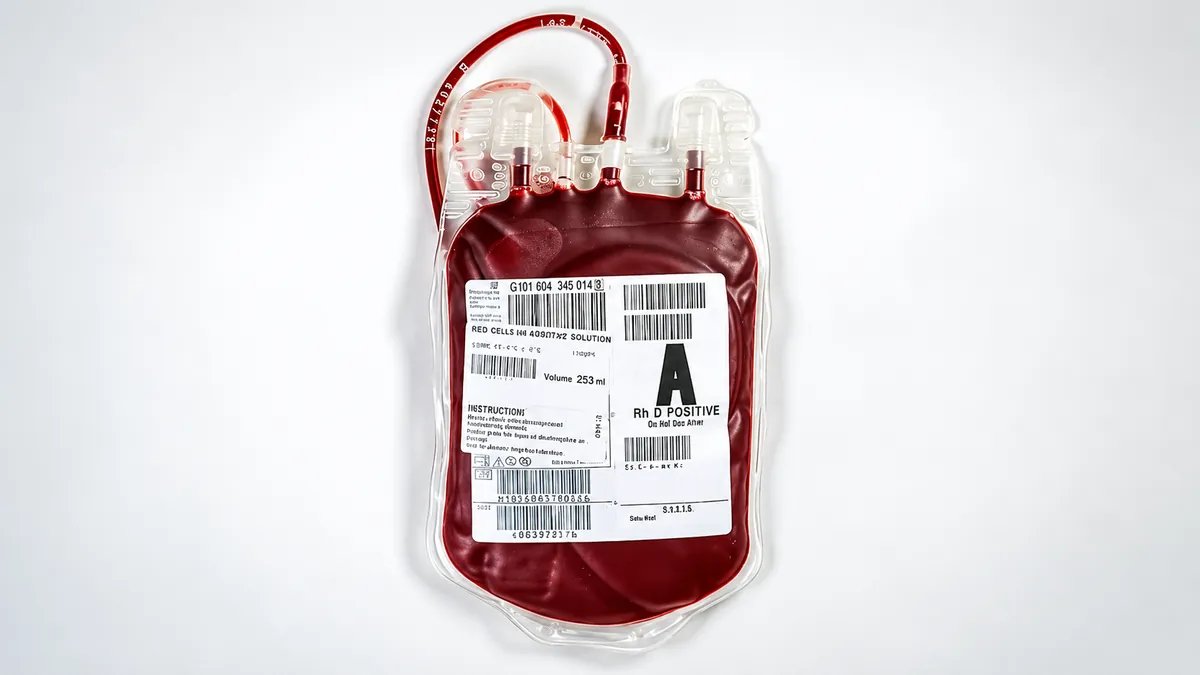
Blood Bag Manufacturing Plant at a Glance
| Typical capacity | ~10–50 lakh bags/year |
|---|---|
| Land | ~1–4 acres |
| Power load | ~300 kW–1 MW |
| Water | Moderate |
| Manpower | ~50–150 |
| Indicative investment | ~₹15–60 crore |
Investment basis: clean-room facility; excludes land.
Figures are indicative ranges. Your project report works them out for your capacity and location.
Market Demand for Blood Bags in India
Demand for blood bags is rising with the growth of blood component therapy and the push for import substitution. Buyers are mostly institutional, so supply depends on quality records and tender eligibility rather than retail reach.
Established manufacturing activity sits in Gujarat, Maharashtra, Telangana and Kerala (Thiruvananthapuram). Export potential is medium, and demand isn't seasonal.
- Blood banks
- Hospitals
- Blood transfusion services
- State tenders
- Exporters
Blood Bag Types You Can Make
Most new units start with single, double and triple bags, then add quadruple bags once component separation orders grow. Anticoagulant choice, CPDA-1 or SAGM, depends on what your blood bank buyers specify. Transfer bags and top-and-bottom bags can follow later.
- Single, double, triple and quadruple blood bags, with CPDA-1 or SAGM
- Transfer bags
- Top-and-bottom bags
Blood Bag Manufacturing Process
The blood bag manufacturing process turns medical-grade PVC film into a sterile, leak-proof bag through welding, assembly, filling and sterilisation. You can extrude film and tubing in-house or buy film, which lowers the equipment burden at the start. Automatic RF welding lines improve consistency of the seams.
Quality is controlled at several points rather than only at the end. Plants test for sterility, pyrogens, leaks, biocompatibility and anticoagulant assay. Bags are designed to ISO 3826, and the factory runs under an ISO 13485 quality management system.
- Film extrusion or purchase
- RF welding of bags
- Tube and needle assembly
- Anticoagulant filling
- Sealing
- Steam sterilisation
- Leak test
- Packing
Raw Materials and Machinery for a Blood Bag Plant
Your main inputs are medical-grade PVC film and tubing, needles, anticoagulant solution ingredients and packaging. PVC compound and needles come from both domestic and imported sources. The machines that matter most are RF welding machines, autoclaves and the clean rooms, since they decide seam quality and sterility.
- RF welding machines
- Tube extruders
- Assembly stations
- Solution filling
- Autoclaves
- Clean rooms
- QC lab
Licences and Approvals for a Blood Bag Plant
Blood bags aren't covered by a QCO. They're regulated under the Medical Devices Rules, 2017, and as a higher-risk class they're licensed by CDSCO. Plan the sequence early, because the licence and ISO 13485 take time.
The State Pollution Control Board fixes the pollution category. For device assembly with sterilisation it's generally Green or Orange.
- Business registration and site approvals
- State PCB consent to establish before construction
- Manufacturing licence under the Medical Devices Rules, 2017
- ISO 13485 certification
- State PCB consent to operate
| Pollution category | Medical device assembly with sterilisation: generally Green or Orange; the State PCB fixes the category |
|---|---|
| HSN code | 9018 90 (medical instruments and appliances) |
| GST | 5% under GST 2.0 for medical devices |
| BIS / quality control order | No QCO; regulated under the Medical Devices Rules, 2017 |
| Other licences | Manufacturing licence under the Medical Devices Rules, 2017 (blood bags are a higher-risk class licensed by CDSCO); ISO 13485 |
Quality Standards and Certification for Blood Bags
Blood banks and tender buyers expect proof of quality before they place orders. ISO 13485 and bag design to ISO 3826 are the core credentials, backed by batch records for sterility, pyrogen and leak tests.
Plan certification alongside plant layout. A clean room and QC lab built to these requirements from the start avoid costly changes when the CDSCO licence is under review.
Choosing the Right Technology for a Blood Bag Plant
The main choice is between extruding film and tubing in-house and buying film. Buying film needs less capital and a smaller clean-room footprint, so it suits a first plant. In-house extrusion gives more control over material and cost at higher volumes.
Automatic RF welding lines suit larger capacities where seam consistency is critical. Your project report compares these routes for your planned capacity.
Government Schemes and Project Finance
Relevant support includes medical device parks, PLI for medical devices (closed rounds) and state incentives. Check current eligibility with the agency concerned. NPCS reports are used for bank loans and government programmes such as PMEGP, MSME schemes, Mudra and NABARD-linked projects, subject to each lender's requirements. A bankable report sets out costs and cash flows lenders look for.
What Decides Success in a Blood Bag Plant
Successful operators secure the CDSCO licence and ISO 13485 early and hold welding quality steady. Plan for regulatory timelines and for competition from established makers. PVC trim can be recycled, which trims waste.
- Secure CDSCO licence and ISO 13485
- Keep welding quality consistent
- Allow for regulatory timelines
- Prepare to compete with established makers
How NPCS Helps You Set Up a Blood Bag Plant
NPCS supports the decisions that shape this project: capacity, in-house or bought film, machinery and vendor selection, plant layout and approvals. Our team also guides production process planning, installation and commissioning assistance. Reports are tailored to your capacity, budget, technology choice and market area, so figures reflect your plant.
NPCS's published client list records 6 assignments on blood bag manufacturing projects between 2014 and 2026 for clients in 3 states and 2 countries, including bankable project reports and techno-economic feasibility studies.
What Your Blood Bag Manufacturing Plant Project Report Covers
- Project introduction and BIS specifications
- Manufacturing process with flow sheet
- Market survey (demand, imports/exports, existing units)
- Personnel
- Plant and machinery with suppliers
- Land and building with layout
- Raw materials with sources and rates
- Financials (project cost, working capital, cost of production, profitability, break-even, 5–10 year cash flow, projected balance sheet, IRR/NPV/payback)
Blood Bag Manufacturing Plant: Frequently Asked Questions
How much does it cost to set up a blood bag manufacturing plant?
An indicative investment is ~₹15–60 crore, based on a clean-room facility and excluding land. The final figure depends on capacity, in-house extrusion and machinery choice. A project report works it out for your plan.
Which licences are needed for a blood bag manufacturing plant?
You need a manufacturing licence under the Medical Devices Rules, 2017, issued by CDSCO for this higher-risk class, along with ISO 13485. The State PCB also decides the pollution category, generally Green or Orange.
How much land and power does a blood bag plant need?
A plant typically needs ~1–4 acres and a power load of ~300 kW–1 MW, depending on capacity. Water need is moderate. Clean rooms and autoclaves drive much of the power demand.
How do I start a blood bag manufacturing business?
Begin with a feasibility study to fix capacity, technology and location. Then arrange site and PCB consent, apply for the CDSCO licence, select machinery and build the clean room. Finance and ISO 13485 planning run in parallel.
How can NPCS help with my blood bag project?
NPCS prepares detailed project reports and feasibility studies, and supports machinery selection, vendor selection, plant layout and approvals planning. Share your planned capacity and location, and our team will outline the project cost.