
 Tata Steel
 JSW Steel
 Tata Metaliks
 Shyam Metalics and Energy
 KRIBHCO Infrastructure
 Sarda Metals & Alloys
 Shyam Steel
 Shyam Steel Industries
Die-casters, auto component makers and steel plants buy aluminium ingots made by melting scrap and dross into specified alloys. An aluminium ingot from scrap plant consultant helps you decide the furnace, grades and capacity before you commit money. Demand follows auto and two-wheeler output and the shift towards recycled aluminium. NPCS prepares the project report, advises on machinery and maps the approvals, so your plan holds up with banks and regulators.
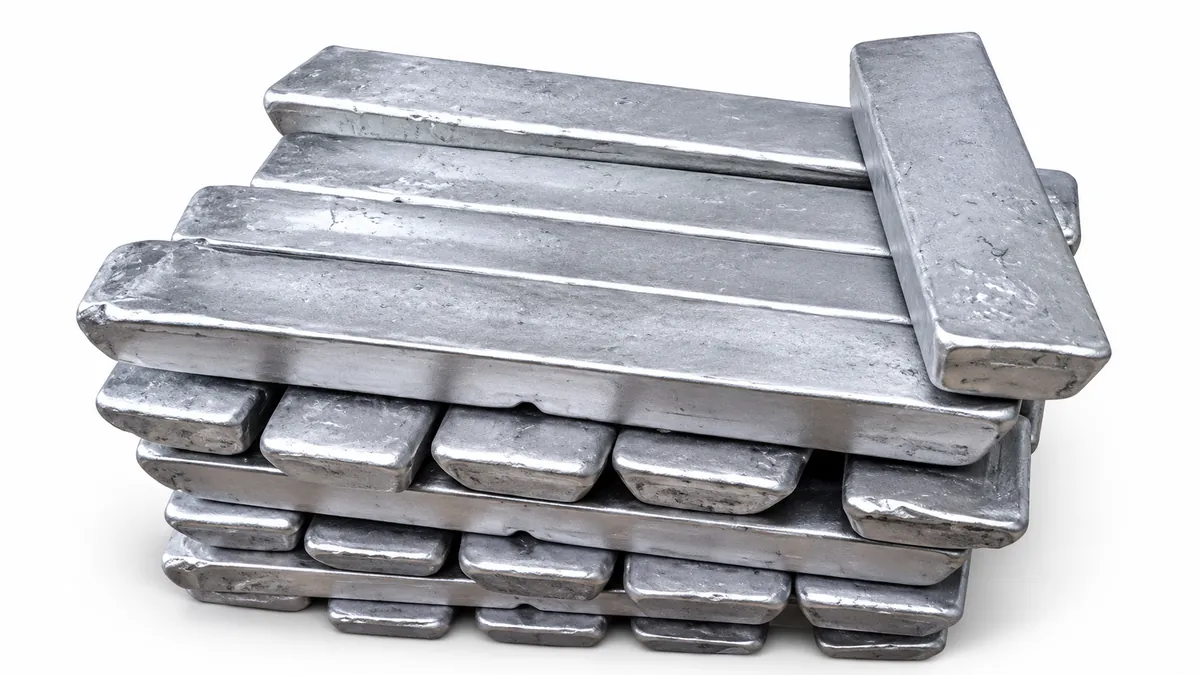
Aluminium Ingot from Scrap Plant at a Glance
| Typical capacity | ~3,000–30,000 TPA |
|---|---|
| Land | ~2–6 acres |
| Power load | ~500 kW–2 MW plus furnace fuel |
| Water | Low |
| Manpower | ~25–100 |
| Indicative investment | ~₹8–60 crore |
Investment basis: excludes land and scrap working capital.
Figures are indicative ranges. Your project report works them out for your capacity and location.
Market Demand for Aluminium Ingots from Scrap in India
Recycled aluminium ingots sell mainly to manufacturers who cast parts in volume. Demand rises with auto and two-wheeler output and with the preference for recycled metal. Processing clusters sit in Gujarat, Delhi-NCR, Tamil Nadu and Maharashtra, close to both scrap and buyers. Export potential is low, so plan around domestic sales.
- Die-casters buying ADC12 and LM grade ingots
- Auto component makers needing consistent alloy chemistry
- Steel plants buying deoxidiser notch bars and cubes
- Makers of electrical parts using remelt ingots
Aluminium Ingot Products You Can Make
Most new units start with die-casting alloy ingots because auto-linked buyers order them regularly. Deox notch bars and cubes suit steel plants and can be added on the same melting line. Pure-ish remelt ingots work as a lower-spec product from clean scrap.
- Die-casting alloy ingots (ADC12, LM6, LM24), deox notch bars and cubes for steel, pure-ish remelt ingots
Aluminium Ingot from Scrap Manufacturing Process
The aluminium ingot from scrap plant process starts with sorting and shredding, then melting, alloying, degassing and casting. Used beverage cans need decoating first to remove paint and lacquer. Rotary tilting furnaces suit dross and mixed scrap, while reverberatory furnaces suit clean scrap.
Quality is controlled mainly at two points. A spectrometer checks chemical composition during alloying so the melt matches JIS or IS alloy specifications. Ingots are then checked for inclusions before stacking and dispatch.
- Scrap sorting and shredding
- Decoating (UBCs)
- Melting in reverberatory or rotary furnace
- Alloying and fluxing
- Degassing
- Ingot casting
- Testing and stacking
Raw Materials and Machinery for an Aluminium Ingot Plant
Your main inputs are aluminium scrap such as UBCs, extrusion, cast and wire scrap, plus dross, silicon, copper and fluxes. Scrap comes from domestic dealers and imports from the UAE, UK and US. The furnace, spectrometer and fume extraction with bag filter matter most, because they decide melt loss, alloy accuracy and compliance.
- Shredder
- Decoater
- Rotary or reverberatory furnace
- Holding furnace
- Degassing unit
- Ingot casting machine
- Spectrometer
- Fume extraction and bag filter
Licences and Approvals for an Aluminium Ingot from Scrap Plant
Aluminium ingot from scrap plant licence and approvals follow a set order. Register the unit, obtain consent to establish from the State Pollution Control Board before construction, then consent to operate. Secondary aluminium melting is Orange on electricity or clean fuel and Red on coal or oil.
- Hazardous waste authorisation for dross and flux residue
- Pre-shipment inspection for imported scrap
- Factory licence
- BIS coverage check for your ingot grades
| Pollution category | Secondary aluminium melting: Orange on electricity or clean fuel (CPCB S.No. 99.2); Red on coal or oil (99.1) |
|---|---|
| HSN code | 7601 (unwrought aluminium); 7602 (scrap) |
| GST | 18% |
| BIS / quality control order | Aluminium products fall under a BIS quality control order; NPCS verifies coverage for your ingot grades during project planning |
| Other licences | Hazardous waste authorisation (dross, flux residue); scrap import pre-shipment inspection; factory licence |
Choosing the Right Aluminium Ingot Plant Size
Plant size changes the economics more than almost any other choice. Indicative capacity runs from about 3,000 to 30,000 TPA, with investment from about ₹8–60 crore excluding land and scrap working capital. A smaller unit suits one or two die-casting buyers and clean scrap. A larger unit needs rotary furnaces, stronger scrap sourcing and bigger pollution control.
Choosing the Right Furnace Technology
Furnace choice depends on the scrap you can buy consistently. Rotary tilting furnaces handle dross and mixed scrap, which usually costs less per tonne. Reverberatory furnaces work best on clean scrap and give steadier melts. Adding spectrometer-based alloy control helps either route hit ADC12 or LM chemistry. Your project report compares both for your scrap mix.
Government Schemes and Project Finance for Aluminium Recycling
Relevant support includes the metal scrap recycling policy, the National Critical Mineral Mission recycling incentive where eligible, and state incentives. NPCS reports are used for bank loans and programmes such as PMEGP, MSME schemes, Mudra and NABARD-linked projects, subject to each lender's requirements. A bankable report sets out cost, cash flow and repayment clearly.
What Decides Success in an Aluminium Ingot from Scrap Plant
Good operators buy and sort scrap carefully, control melt loss and hold alloy accuracy batch after batch. The main risks are LME and scrap price swings, dross handling and emissions.
- Recover metal from dross where possible
- Treat salt slag as hazardous waste
- Budget for fume extraction from day one
How NPCS Helps You Set Up an Aluminium Ingot from Scrap Plant
NPCS supports the decisions that matter here: capacity, furnace type, machinery selection and vendor choice. Our team also helps with plant layout, approvals planning and the financial model that lenders review. An aluminium ingot from scrap plant project report from us is tailored to your scrap supply, grades and location.
NPCS's published client list records 13 assignments on aluminium ingot from scrap projects between 2009 and 2026 for clients in 7 states and 2 countries, including techno-economic feasibility studies, market research reports and project identification studies.
What Your Aluminium Ingot from Scrap Plant Project Report Covers
- Project introduction and BIS specifications
- Manufacturing process with flow sheet
- Market survey (demand, imports/exports, existing units)
- Personnel
- Plant and machinery with suppliers
- Land and building with layout
- Raw materials with sources and rates
- Financials (project cost, working capital, cost of production, profitability, break-even, 5–10 year cash flow, projected balance sheet, IRR/NPV/payback)
Aluminium Ingot from Scrap Plant: Frequently Asked Questions
How much does it cost to set up an aluminium ingot from scrap plant?
Indicative investment ranges from about ₹8–60 crore, depending on capacity and furnace type. This excludes land and scrap working capital. Your project report works out the exact cost for your capacity and location.
Which pollution category applies to a scrap aluminium melting unit?
Secondary aluminium melting is Orange when run on electricity or clean fuel, and Red on coal or oil. The category depends on your fuel and process, so confirm it with the State Pollution Control Board before construction.
How much land and power does an aluminium ingot plant need?
Typically about 2–6 acres of land and a power load of about 500 kW–2 MW, plus furnace fuel. Water requirement is low. Actual needs depend on your capacity and furnace choice.
How to start an aluminium ingot from scrap plant business?
Begin with a feasibility study covering grades, buyers, scrap supply and capacity. Then finalise location, register the unit, and obtain consent to establish before building. Machinery selection and finance follow once the project report is ready.
How can NPCS help with my aluminium recycling project?
NPCS prepares the project report, advises on furnace and machinery selection, and maps the approvals you need. Share your planned capacity and location, and our team will outline the project in detail.