


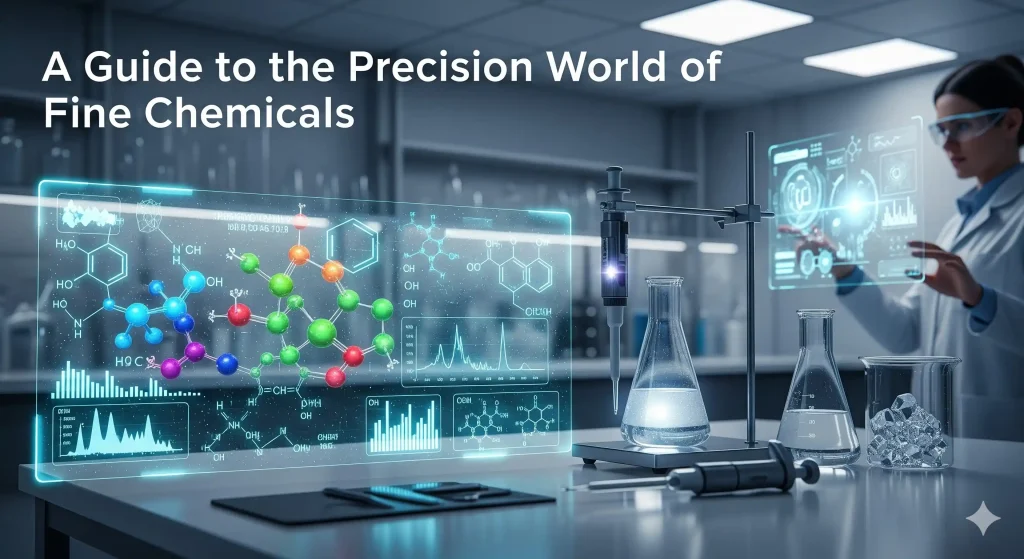
Think of a giant factory that draws hundreds of tons of basic chemicals. This is what the chemical industry causes. But lying somewhere in the big scene is the most advanced, intricate and profitable chemicals of the sphere.
Fine chemicals produce more accurate than mass production, value and quality. Fine chemicals generally include high -performance engines, ultra sophisticated microchips and building blocks of efficient agricultural products, top electronics and life -saving drugs. It could be beneficial, but that is also quite a difficult way.
As they may seem, they are easy, technical know-how, project planning and quality control are strengthened for the rest of fertility. This guide is around the market to be successful.
Read Our Book: Click Here
What does it indicate fine chemicals?
Fine chemistry must mean a specific characteristic that distinguishes it from others, taking into account mass chemicals such as ammonia or sulfuric acid: they are produced in large quantities and are basically sold at a very low price, while fine chemicals are much higher.
They consist of pure complex compounds produced in small quantities for the period of time. If volume chemicals are like simple sand to be used to make glass, fine chemicals are like almost perfect lens in a top microscope.
Properties of fine chemicals:
- Cleanliness: usually the purest or most toxic chemicals; Usually trace dirt would be enough to kill the product.
- Production complexity: It is the most commonly produced fine chemicals using these very complex processes including multi-stage reactions. More skills are required than what is necessary in established industrial continuous processes.
- Lesser volume, but high value: fine chemicals are usually produced in very small quantities, starting with several kilograms up to several tons per year. However, it is very expensive to a kilogram, given the complexity and importance of products.
- Specific applications: These are not versatile materials. Each fine chemical is specially designed to function as one of the key components together with others to create a typically defined end product. These may be active pharmaceutical components (APIs) in medicinal products or a critical monomer in advanced polymers.
This company is rather driven by technology and knowledge and not only the size of business.
Read Our Project Report: Click Here
Market with fine chemicals in its niche
Although it is not an absolute headquarters for the whole market, fine chemicals are included in the wider market category. This means that it would have to be recognized for technology, value and consumer on the market.
Pharmaceutical intermediates and api
This is the largest and most profitable market segments in fine chemicals with one of the largest parts in the development of drugs, which makes demand stable. On this market, the requirements are strict-in the fact that the device must observe the current good production procedures while it is periodically evaluated.

Agro chemical intermediates
This niche is associated with the developing market for the production of the design of active components for formulation of pesticides and herbicides. Advanced technologies, ecological and targeted agrochemicals received by farmers to provide much better crop protection
The industry requiring knowledge in organic chemistry and the foundations of agricultural science.
Read More: Starting a Fine Chemicals Business: Top 10 Most Demanded Specialty Chemicals
Electronic chemicals
Fine chemicals create one backbone of electronics because they include ultra -graft and solvents needed for semiconductor production, specialized materials for advanced screens and electrolytes for specialized applications. This market is moving quickly towards advanced technologies, which requires maximum cleanliness.
Dyes, pigments and food additives
Examples in this area are the production of organic colors very resistant to UV for automotive applications; Advanced special dyes for certain concerns; And some production of food ingredients such as designed taste and color ingredients. These both talents MARKEHUMAN Expertise are now the main player.
If the niche has not been identified, the CMO of the business plan will not be the most suitable. Sometimes you would create a chemical that is adapted to your customer by building trust and relationships. Alternatively, you could develop a product you own and patent. Great risk here; But if everything is well enjoyed with opportunities, the profit may be high.
Read More: Electrolytic Manganese Dioxide Production: Analyzing Techno-Economic Feasibility
Set up plants from people
Successful application for chemical production means the use of very excellent equipment, significantly trained staff and excellent technology.
Research and Development (Research and Development)
This is the skeleton of business. According to the client’s requirements, there is a new creation of chemical processes and improvement of existing processes. It is here in the R&D laboratory, which are created by viable products.
Production race
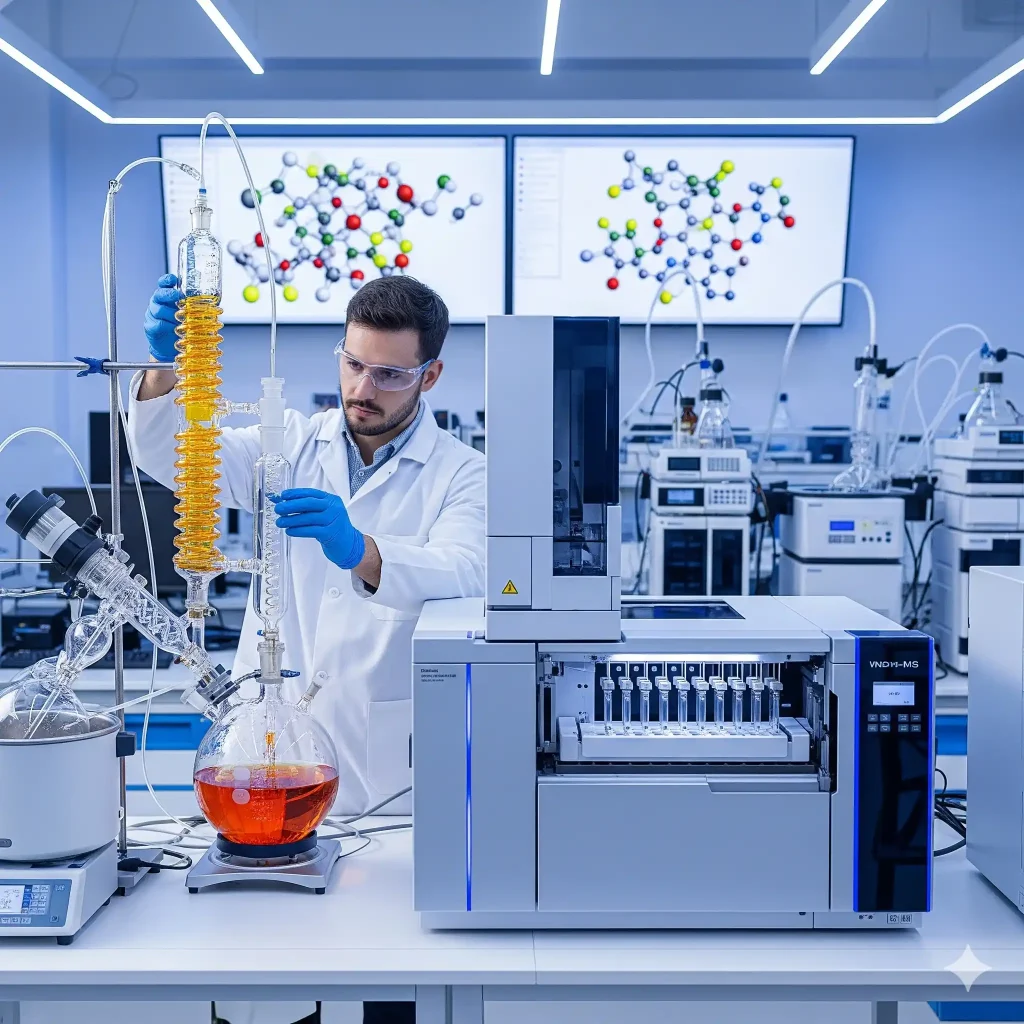
Your production plant has been strongly invested. The fine chemical plant consists of small but flexible multi -purpose reactors and their respective distillation units or chromatographs.
Another requirement is drying. Cleaning, validation and quantification are also performed on every batch activity in the laboratory of quality control using the latest analytical device, such as GC/MS and HPLC.
Compliance with regulators
Compliance with regulatory bodies is the most important aspect of any activity. In essence, you must obtain all licenses, approval and permission for the environment related to the environment. The General Council is to monitor ISO 9001 (for quality management) and ISO 14001 (for environmental management).
One security/environmental danger should delete your company financially and its reputation.
Now is the time to assemble the relevant employees for your company. The level of your workforce will significantly affect what this company will end. If you take experienced chemists and chemical engineers and have a relatively knowledge of very complex synthesis, you also know high safety standards.
Discover the Right Business for You With Our Startup Selector Tool
Formula for Success
The fine chemical industry is intellectually and financially challenging, but also rewarding. Entrepreneurs who are motivated by science and precision will find the fine chemical business a rewarding journey. It is not by accident that success is achieved; it is through a deliberate and well-planned strategy.
You must carefully choose a niche in which you can be an expert. You must then build your business on the unshakeable foundations of cutting edge R&D and quality control as well as strict adherence to safety regulations and environmental regulations.
Read More: How to Build a Profitable Business in Fine Chemicals with Minimal Infrastructure
This business is ultimately about more than molecules. It’s about trust. You can build a highly profitable and sustainable enterprise by cultivating collaborative relationships with customers and becoming a trusted partner in their innovation processes.

Fine Chemical Business: Frequently Asked Questions (FAQ)
Q1. What’s the main difference between chemical trading and manufacturing?
Chemical manufacturers make chemicals by running different processes. Chemical traders do not make anything. They buy large amounts of chemicals from manufacturers and then sell smaller amounts to customers. They also handle storage, delivery, and paperwork.
Q2. Do you need a chemistry degree for chemical trading?
You do not need a chemistry degree to start trading chemicals. But you must learn about the products you sell. Customers will ask questions, so you need to understand your products well to build trust.
Q3. How do you safely handle hazardous chemicals?
First, set clear safety rules for storing and handling chemicals. Make sure everyone gets training and the right safety gear. Keep all needed licenses and permits up to date. Always have a plan for accidents like spills or fire.
Q4. Which chemical trading area makes the most profit?
Specialty chemicals usually give the best profit because buyers pay more for special products. Still, you can also make good money trading common chemicals if you sell large amounts and manage costs well.
Q5. How do you find your first customers?
Start by searching for possible buyers in your target market. Reach out by phone or email. Build a simple website and join B2B sites like IndiaMART or LinkedIn. Going to trade shows or networking events can help you meet more customers.